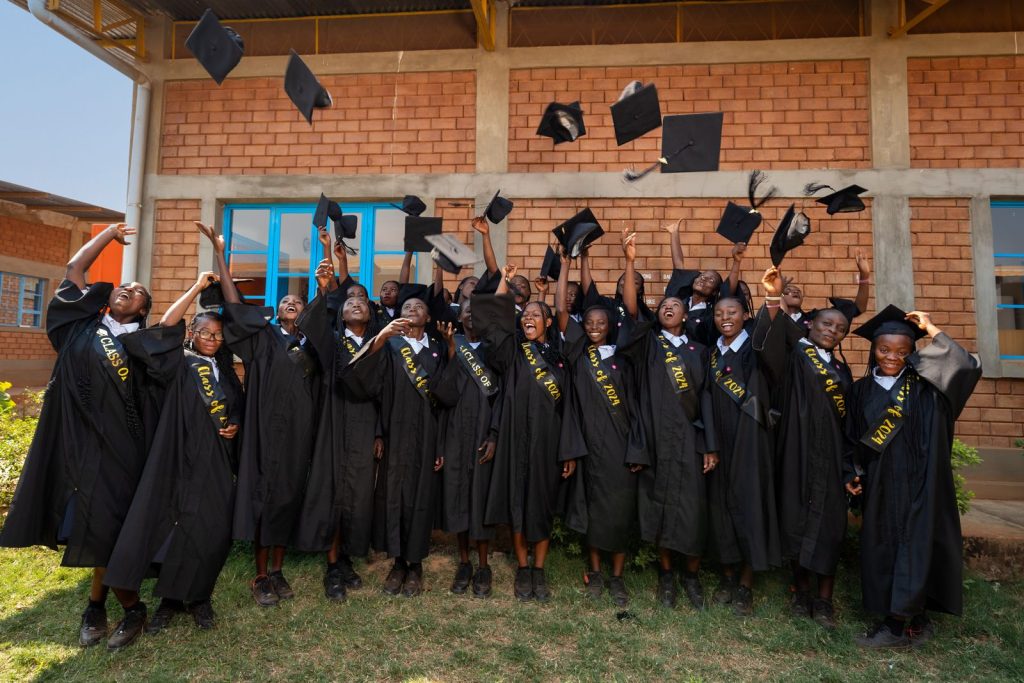
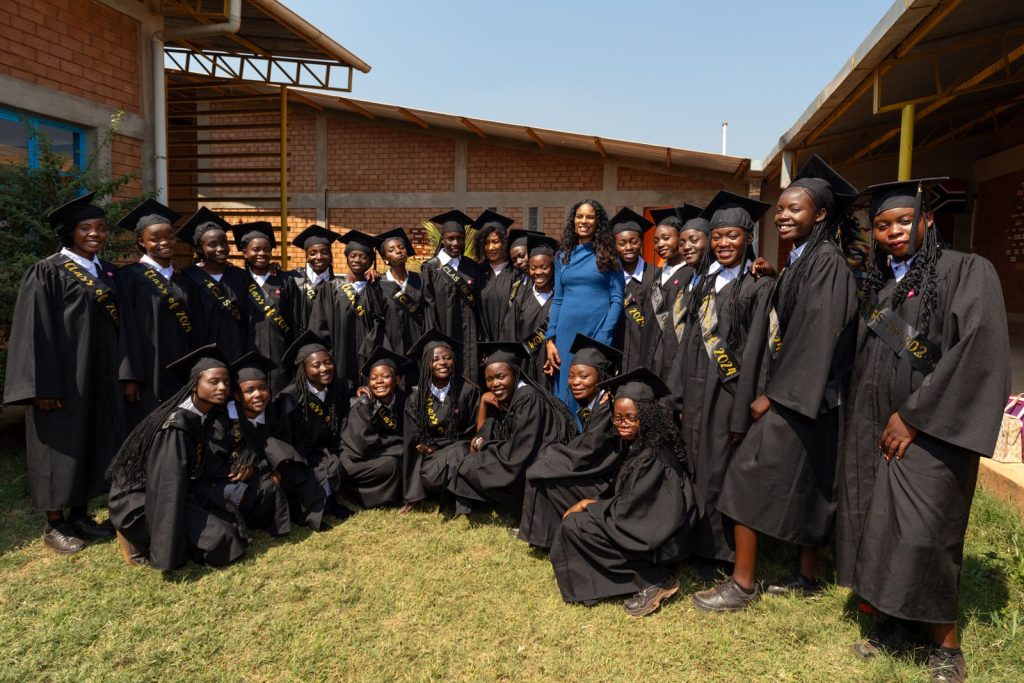
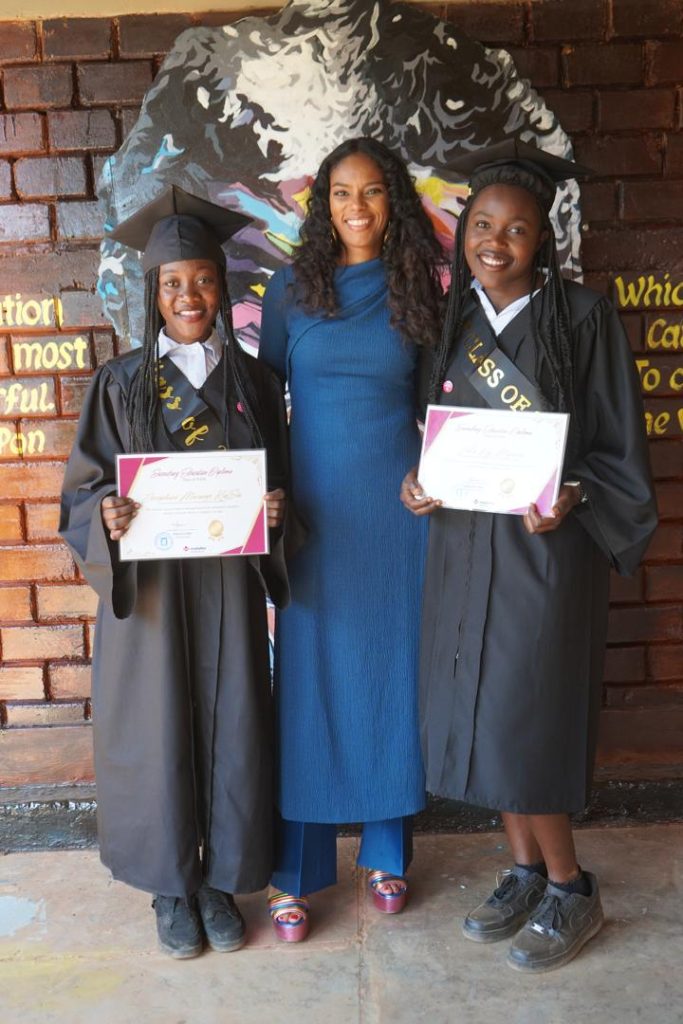
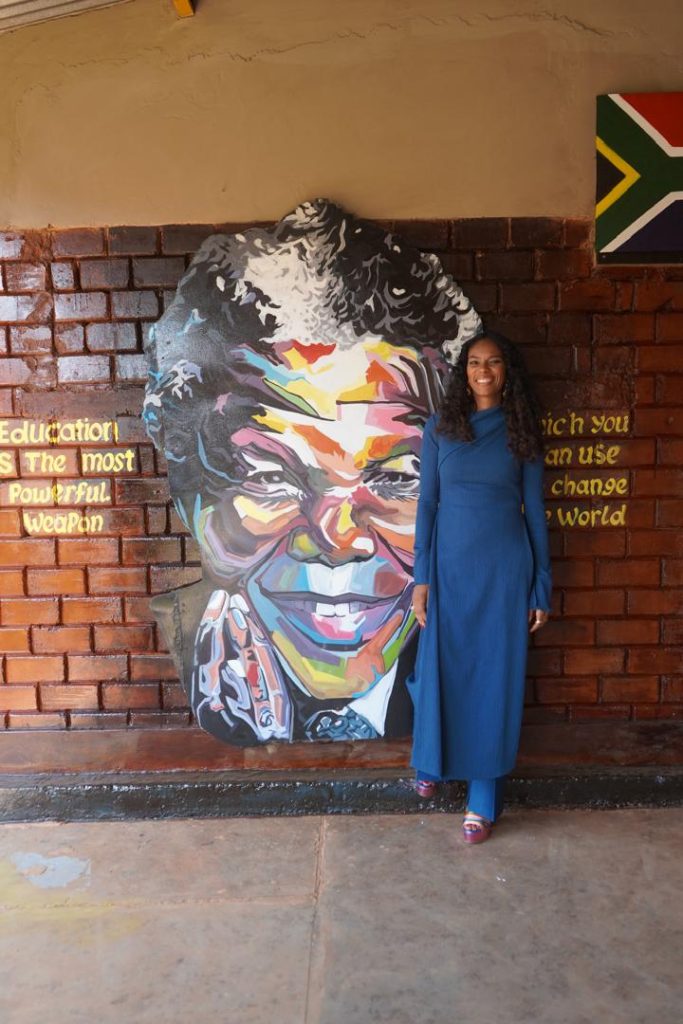
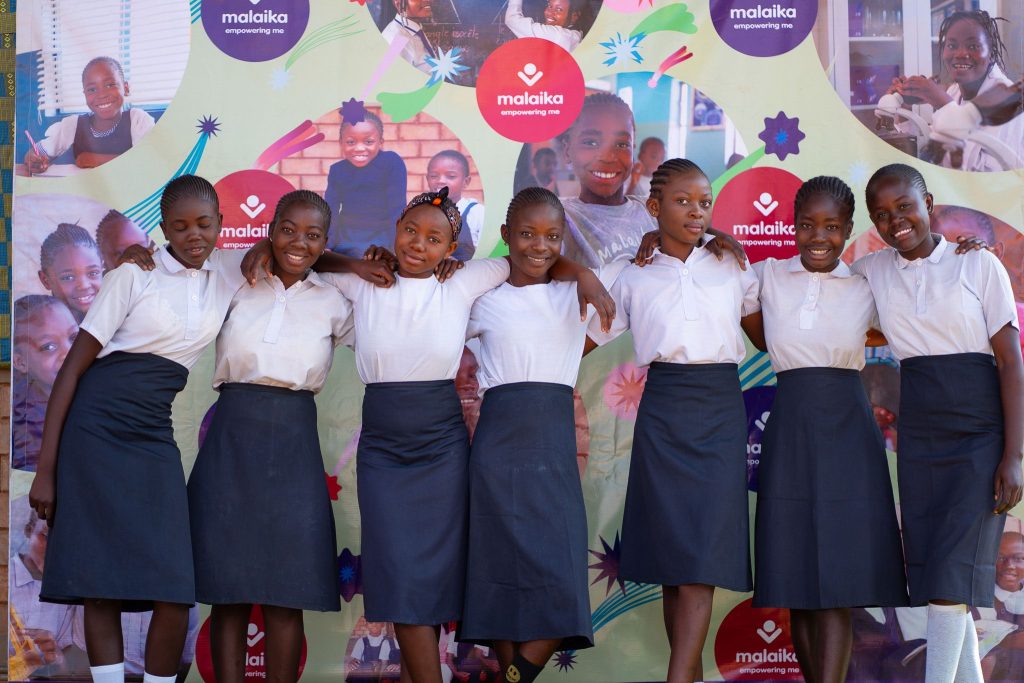
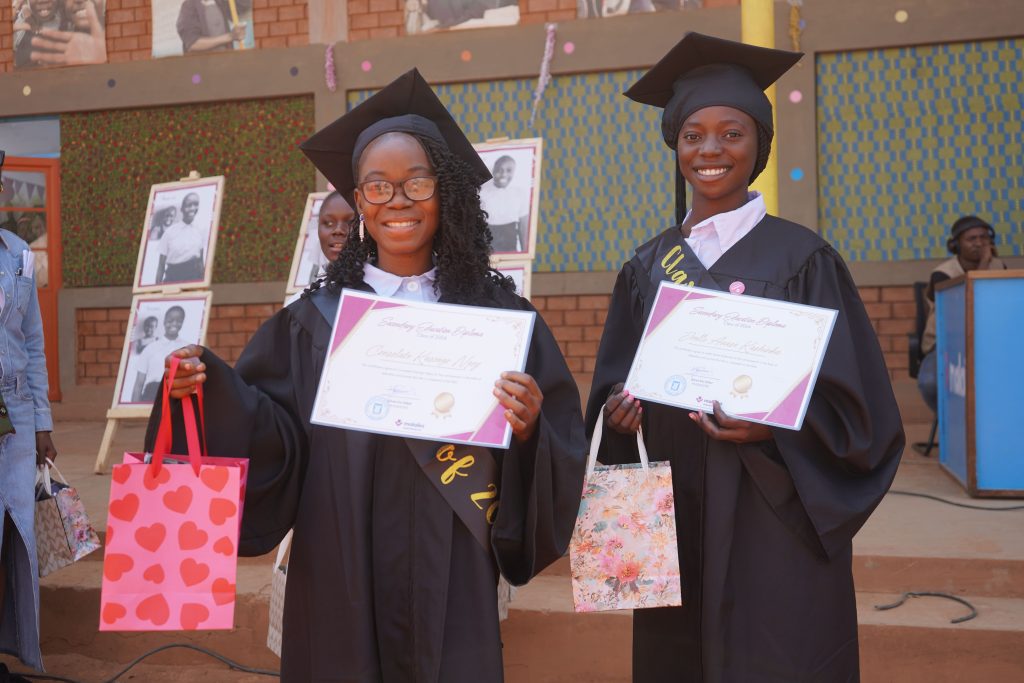
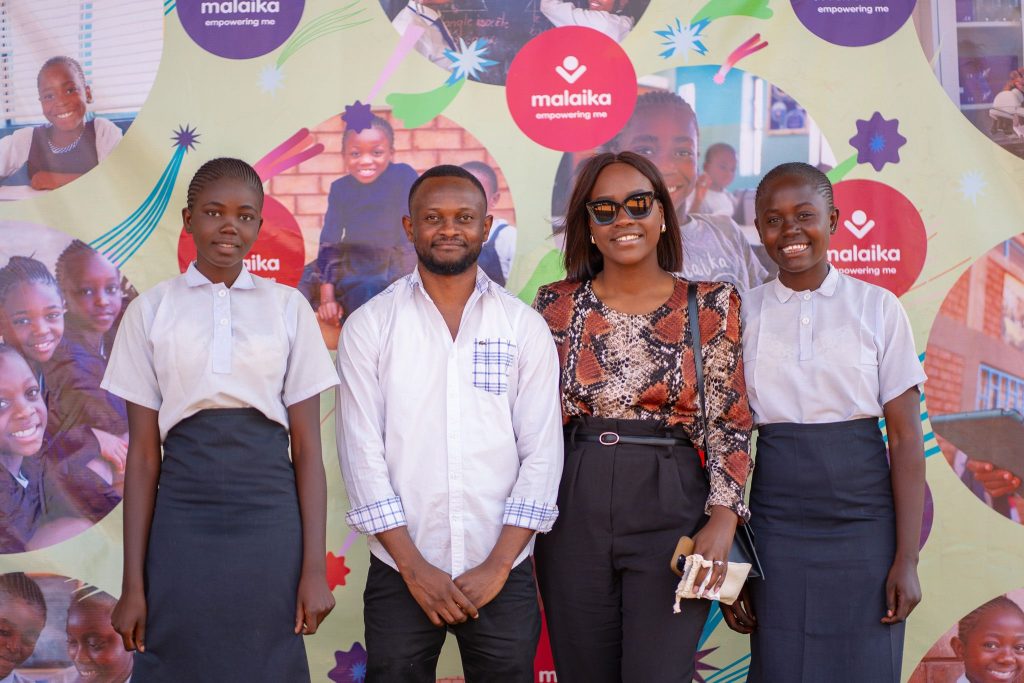
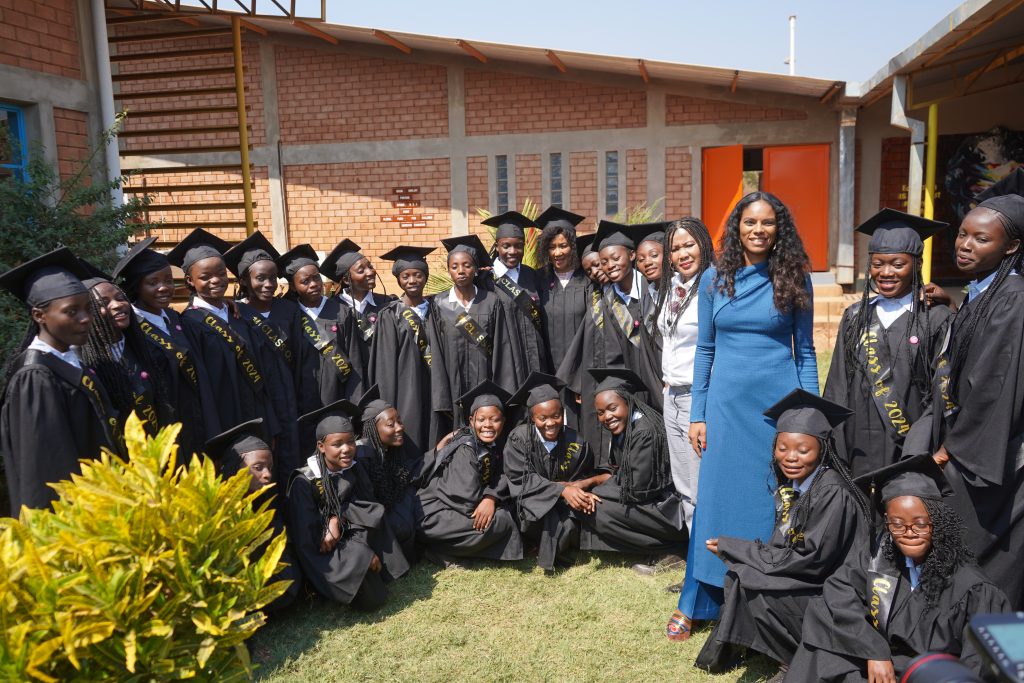
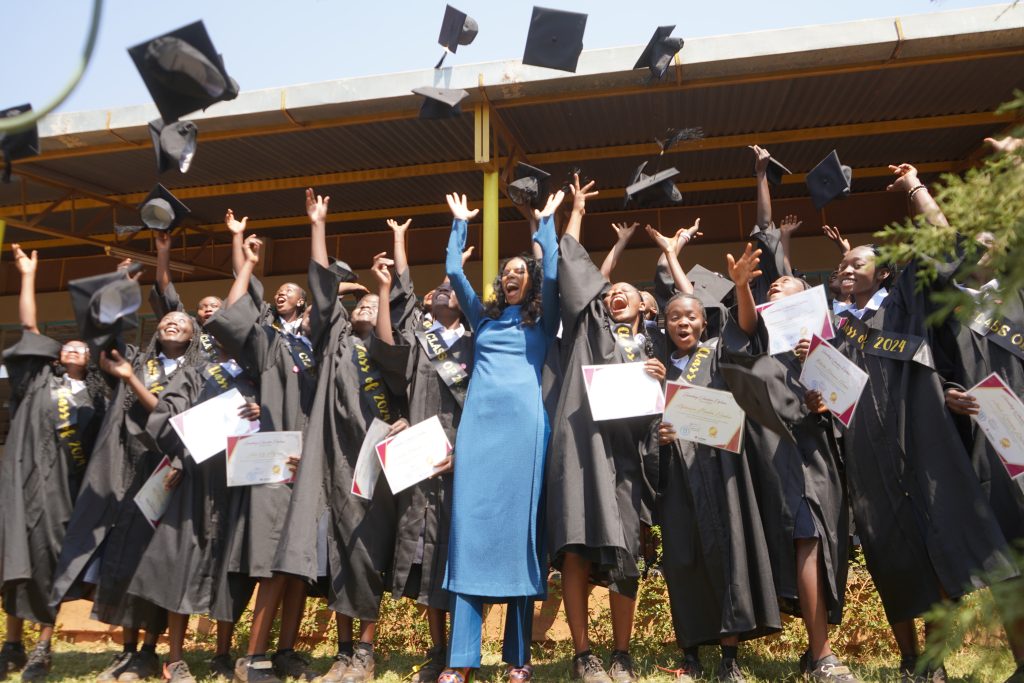
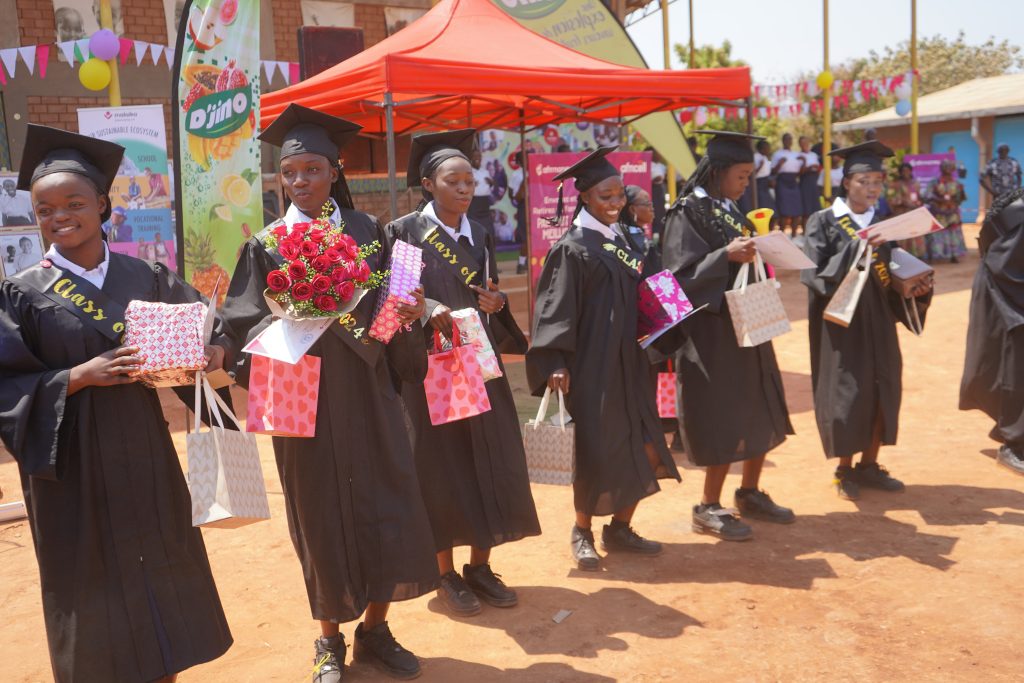
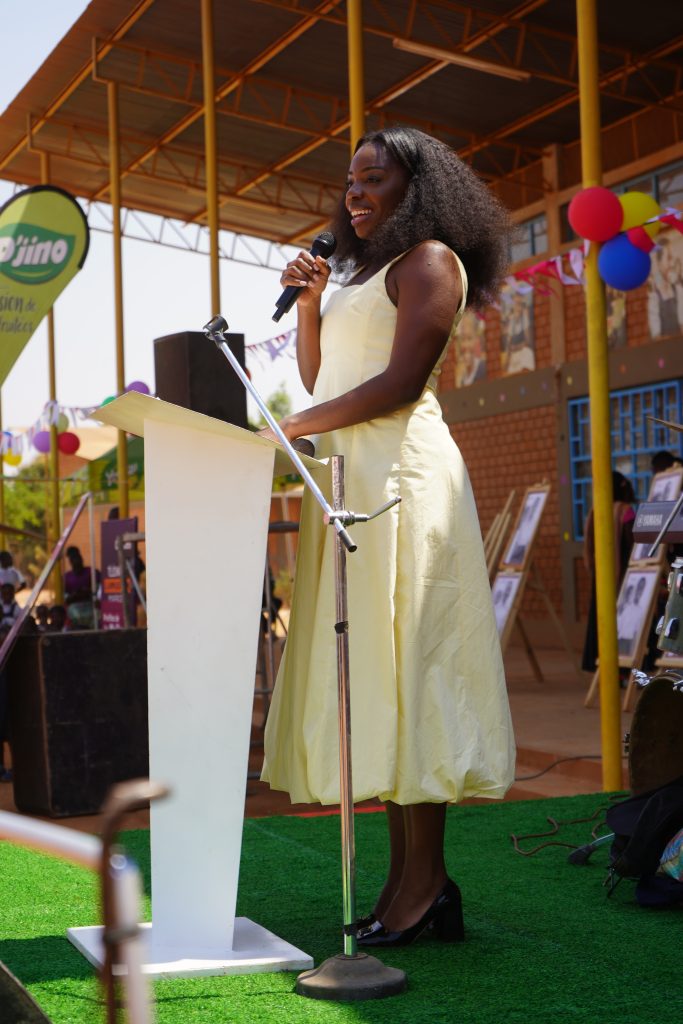
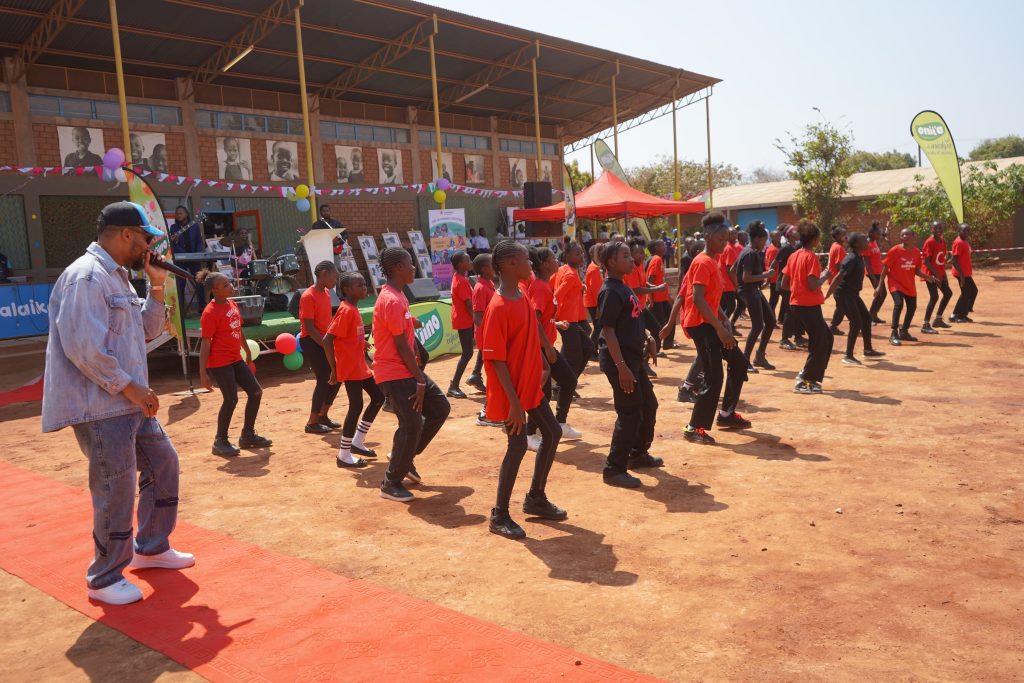
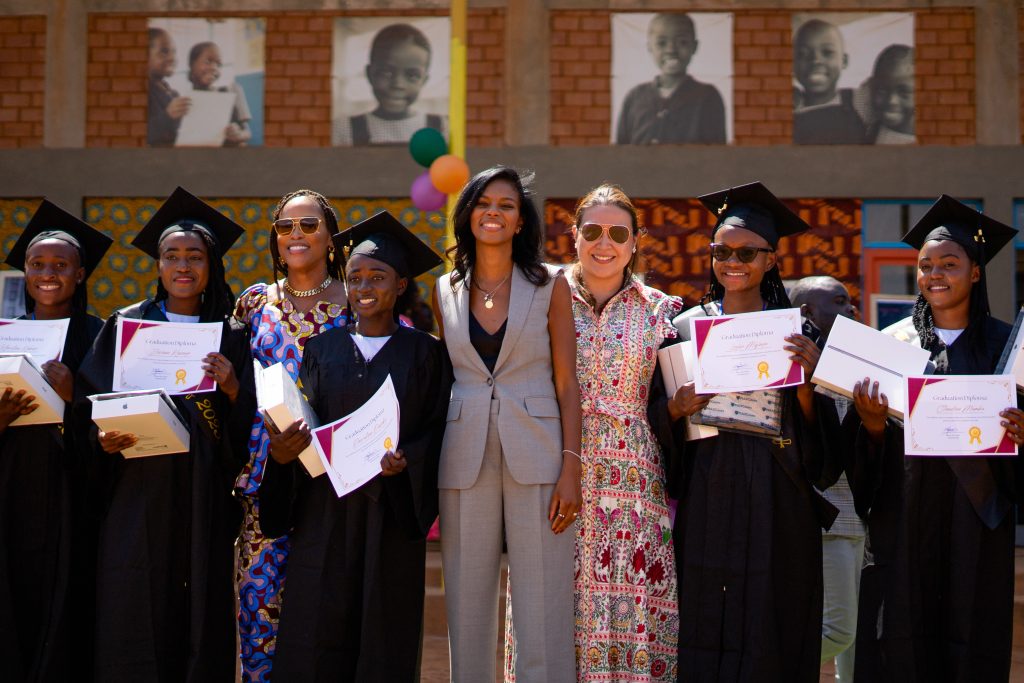
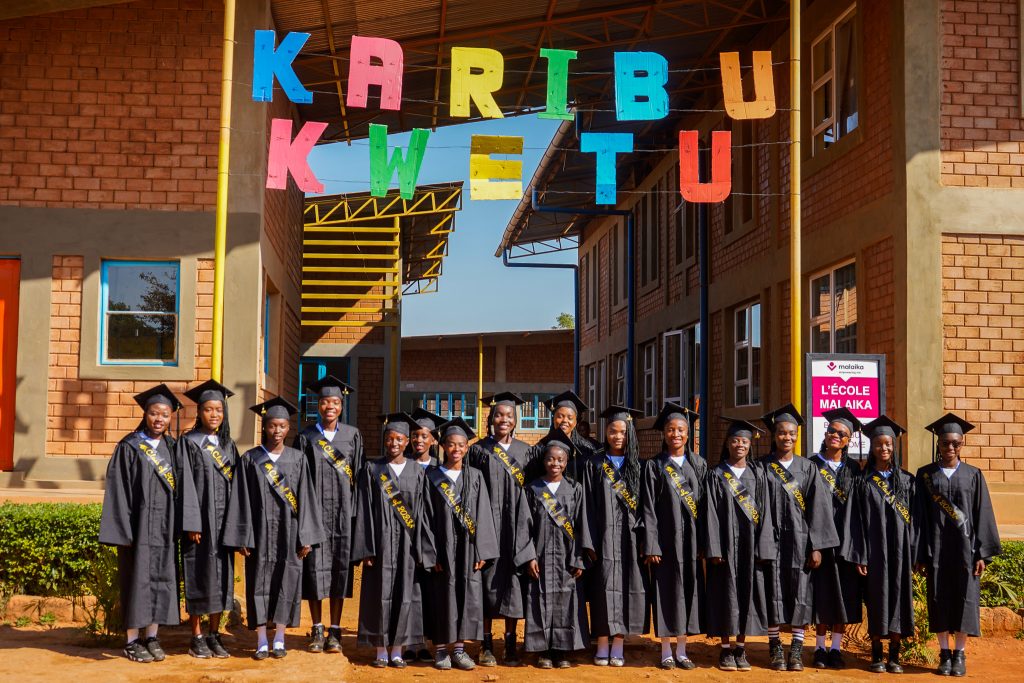
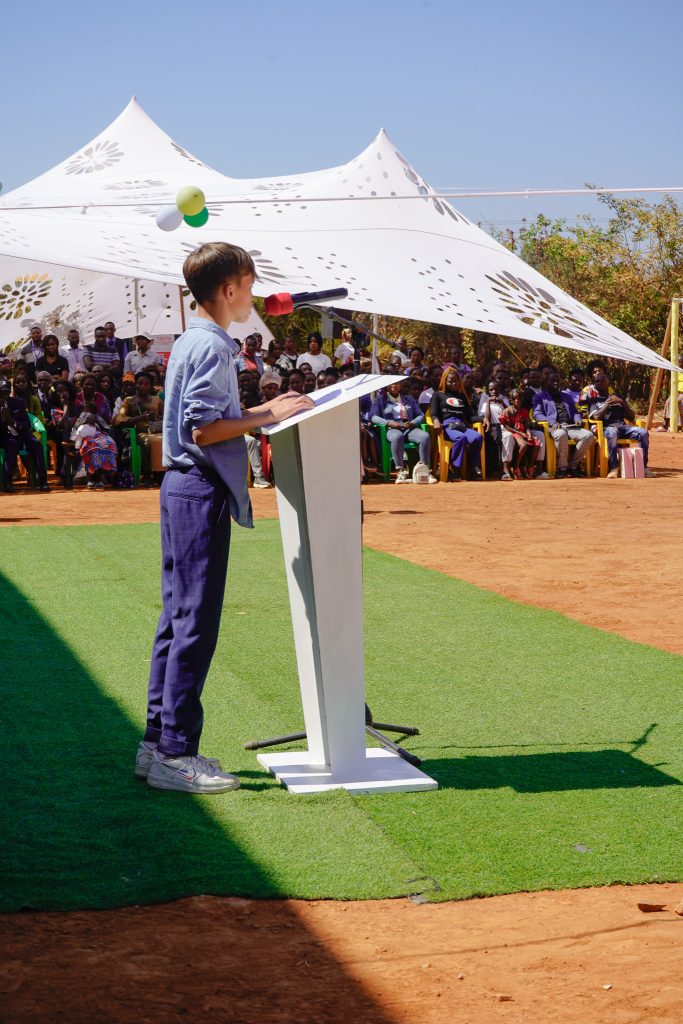
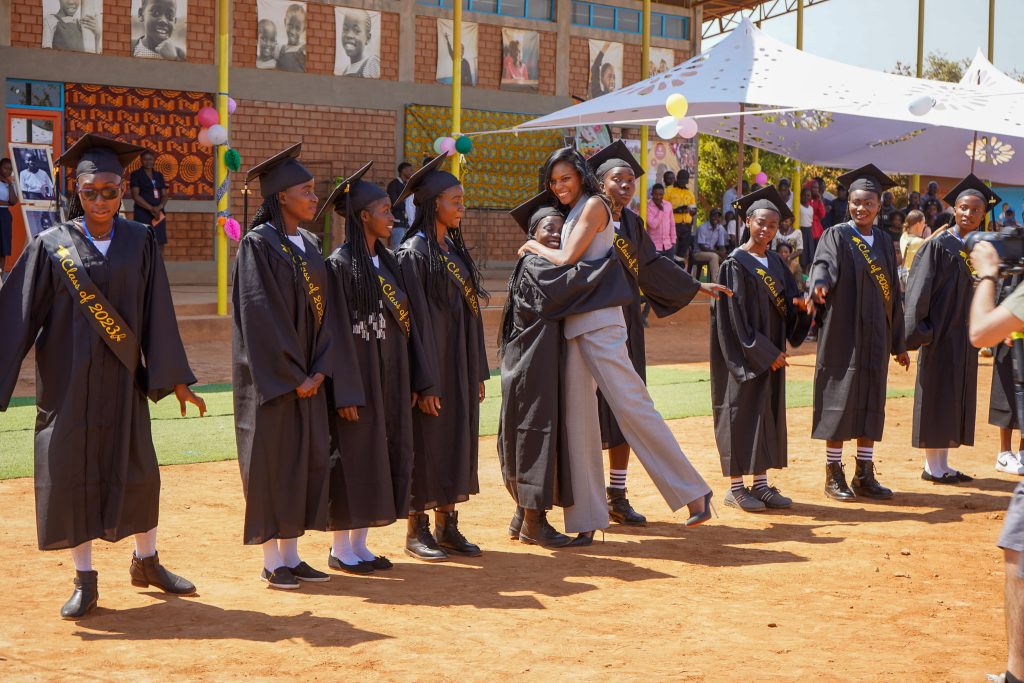
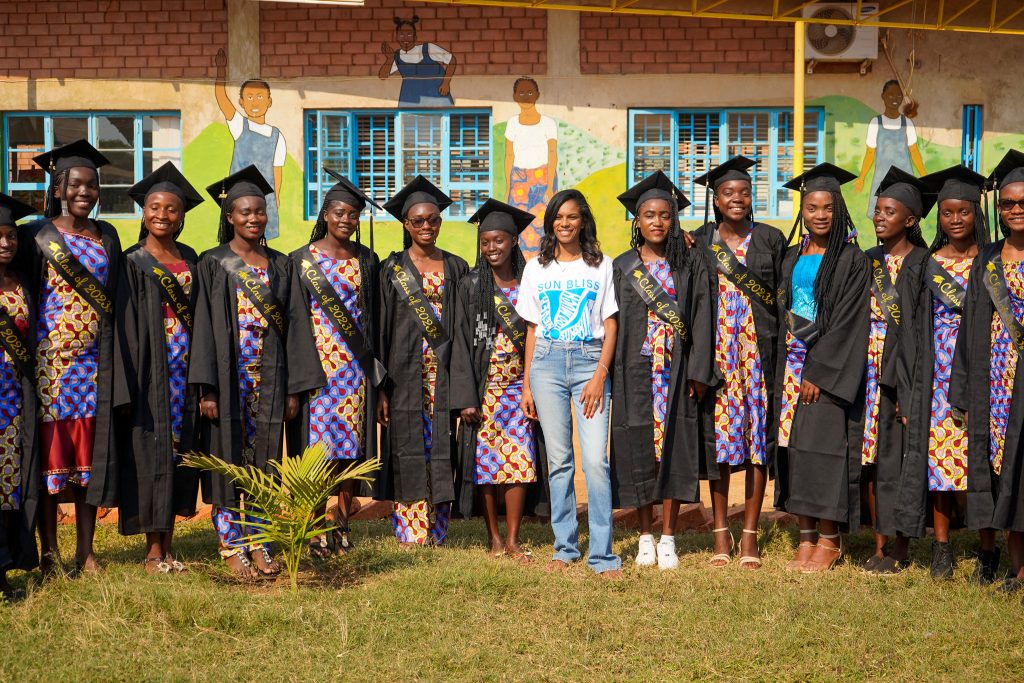
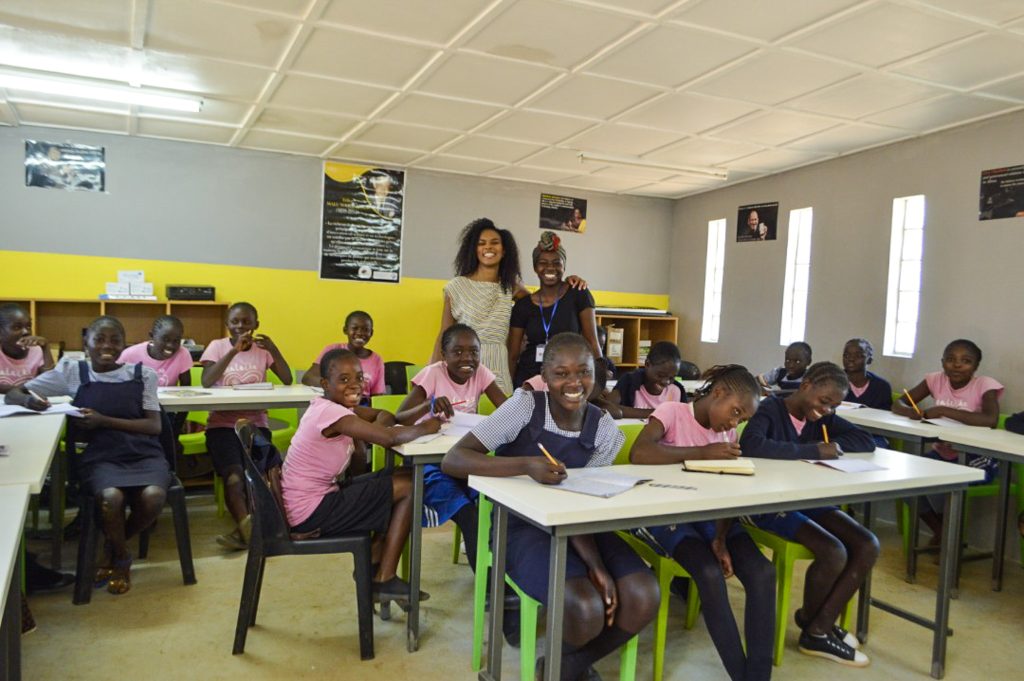
Class of ’24: Marie, Consolate and Kessia reflect back on their journey.

Marie Kilufya Kishiba

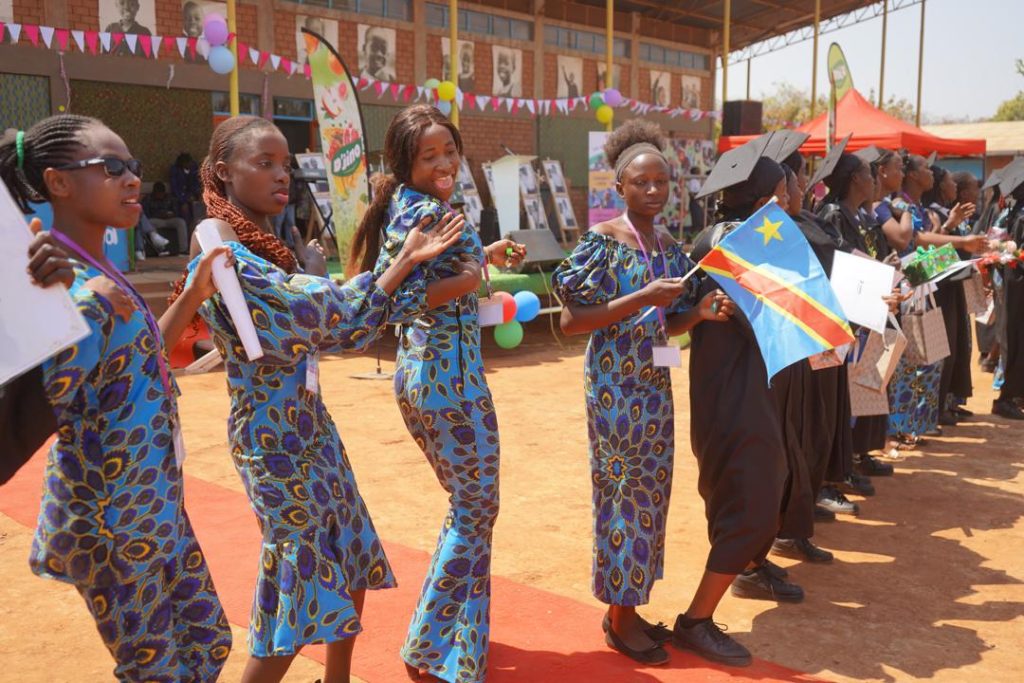
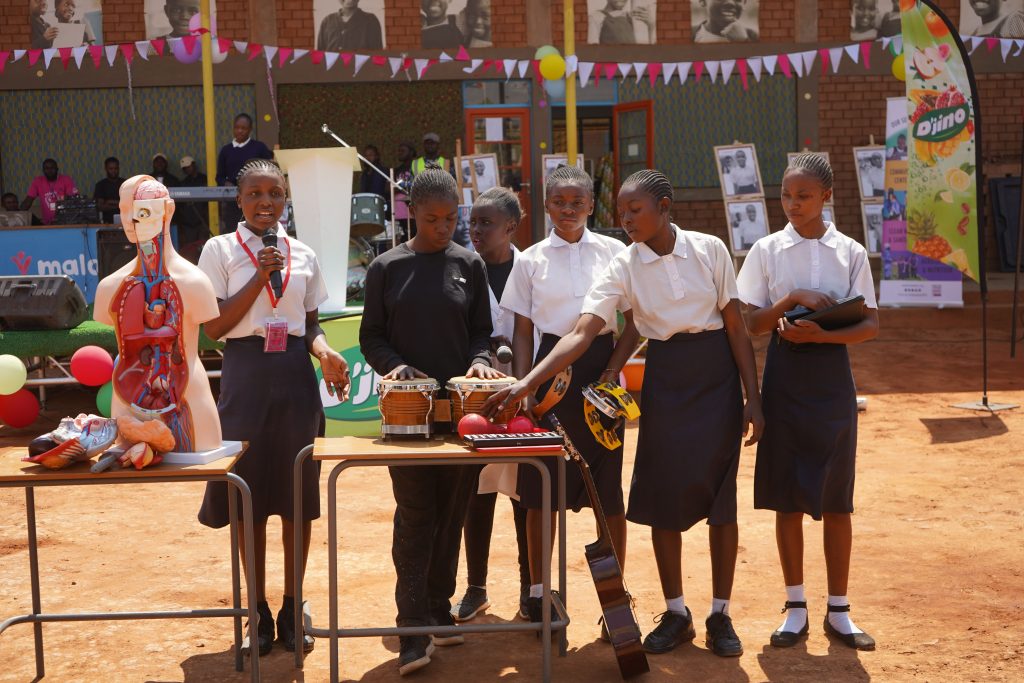
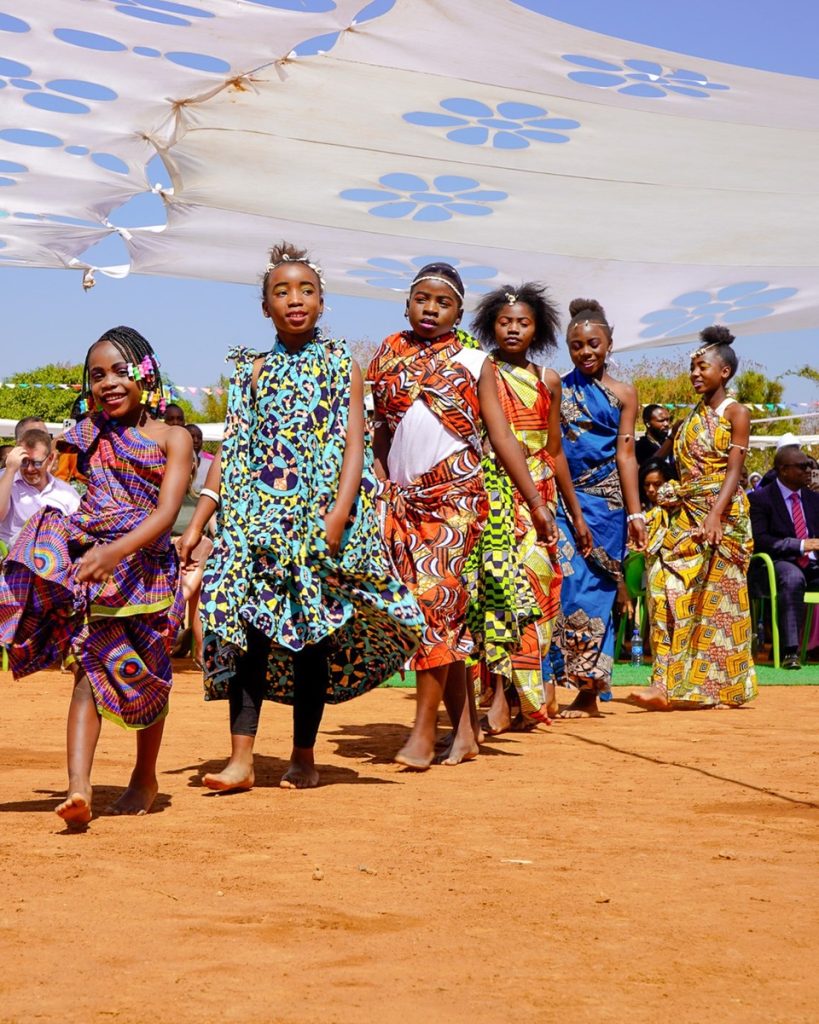
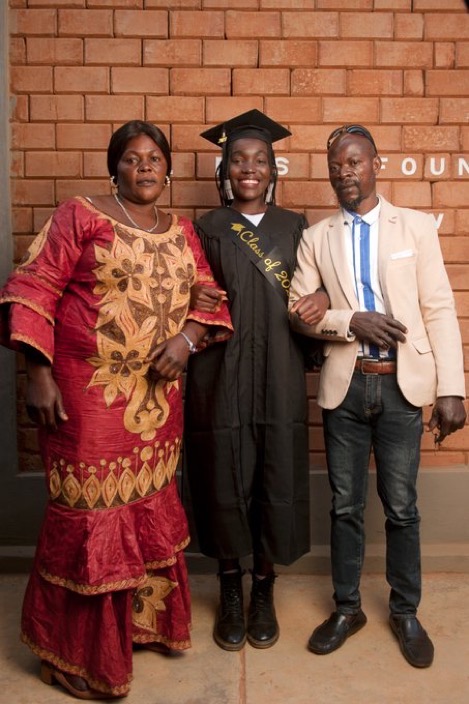
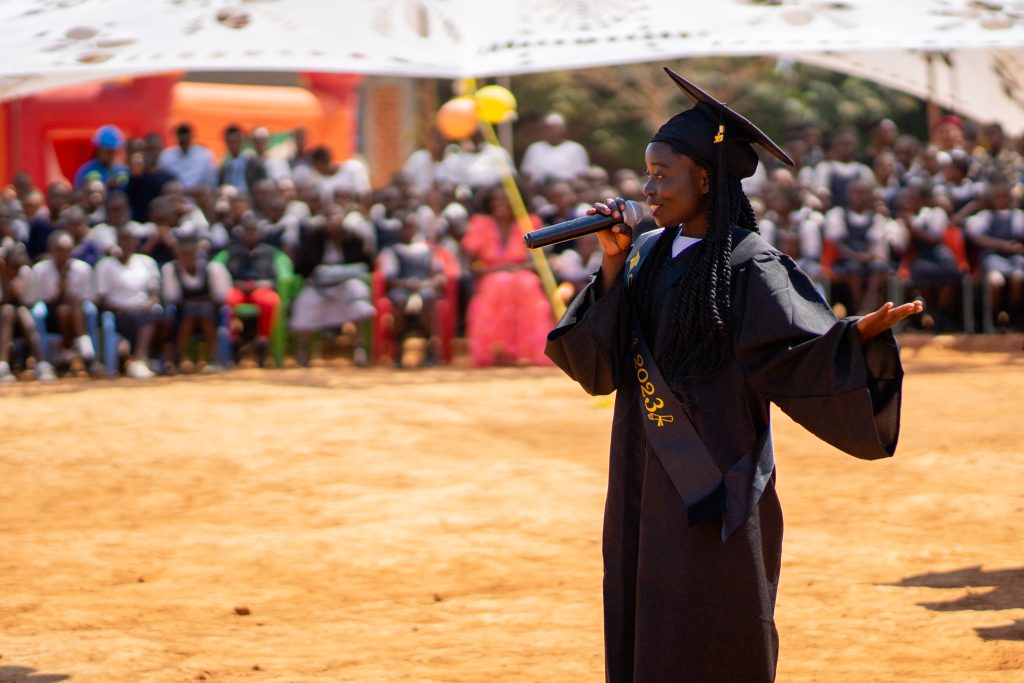
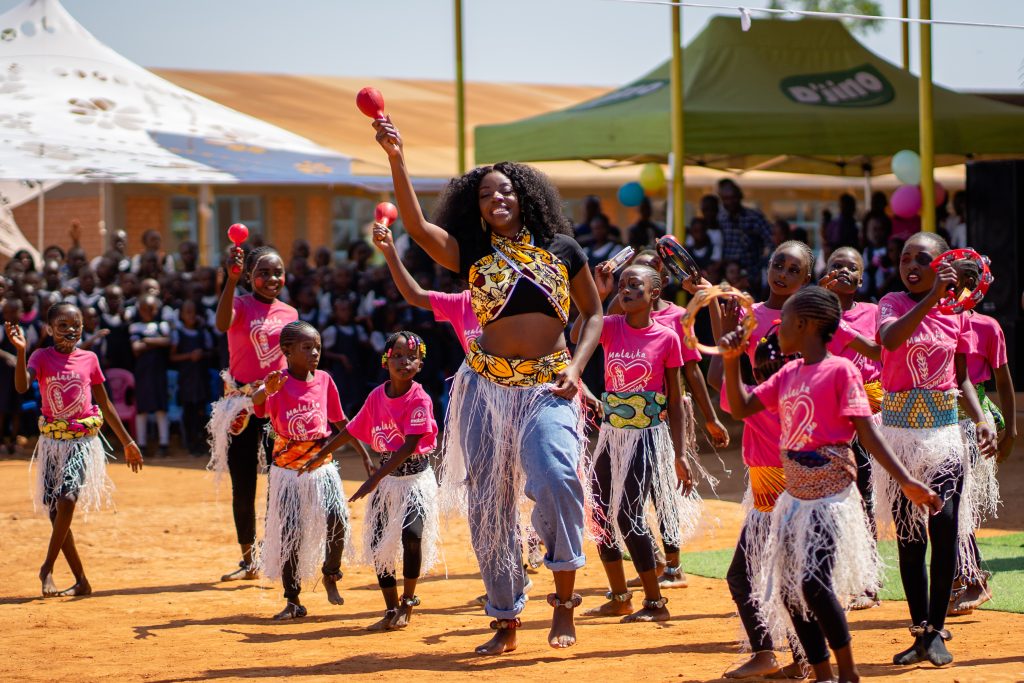
“Graduation day was truly special for me. It was a day I was honored in a way that not many finalists in the DRC get to experience. I felt immense joy, as it was an unforgettable moment in my life – my first time on stage, being celebrated. I danced, had conversations with friends, and reunited with some family members.

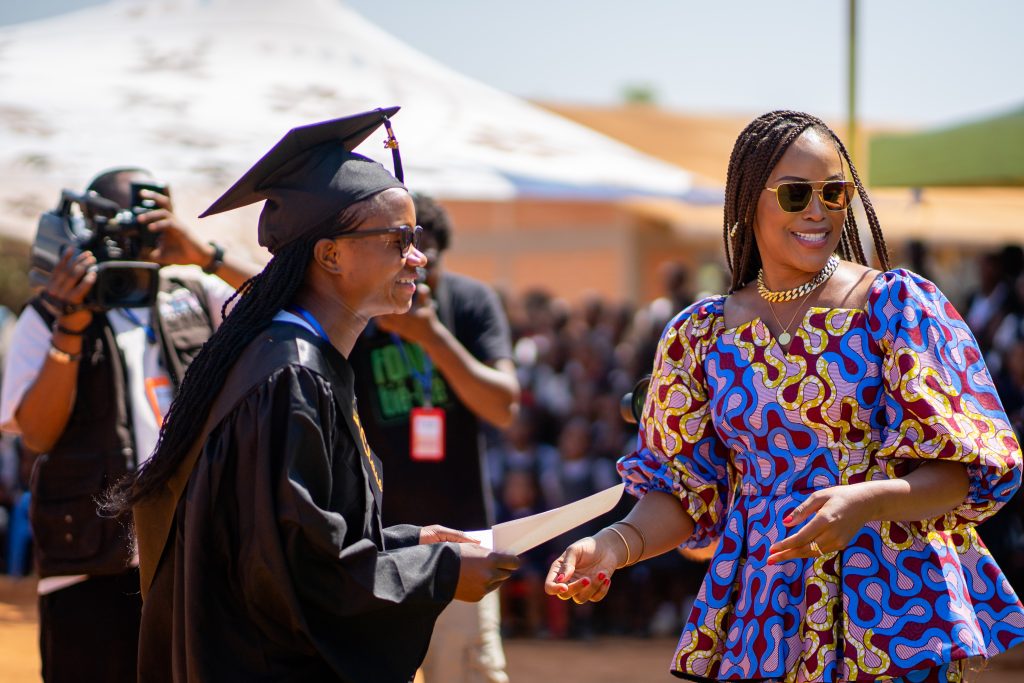
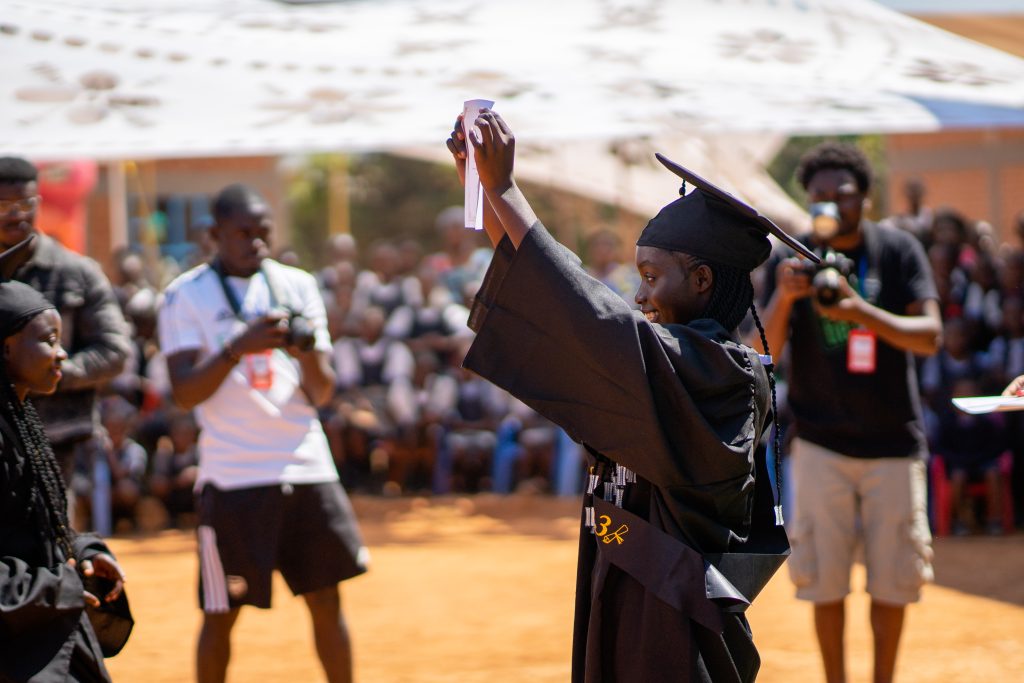
My favorite part of the day was receiving my certification, the gifts, and of course dancing together, which helped us all release some of the nerves! I’ve seen stages on TV, but this time, it was me walking on one.

I’ll miss my Saturday English classes, learning from international mentors and teachers, working in the laboratory, and doing research in the library. Sharing meals with friends in the cantine was always special too. The Malaika staff were an inspiration to me, and it will be hard not seeing them every day. Life at Malaika became a routine I cherish, and leaving that behind won’t be easy.

Looking ahead, I aspire to become a banker and businessperson, helping my community find financial stability. We need to develop strategies to lift our community out of poverty.”


Consolate Casongo Ngoy

“I was incredibly happy on graduation day, because, despite the challenges, I reached this milestone with Malaika’s support. Without Malaika, I wouldn’t have made it. At the same time, I felt a bit anxious, knowing that life would no longer be the same—this was my moment of transition.
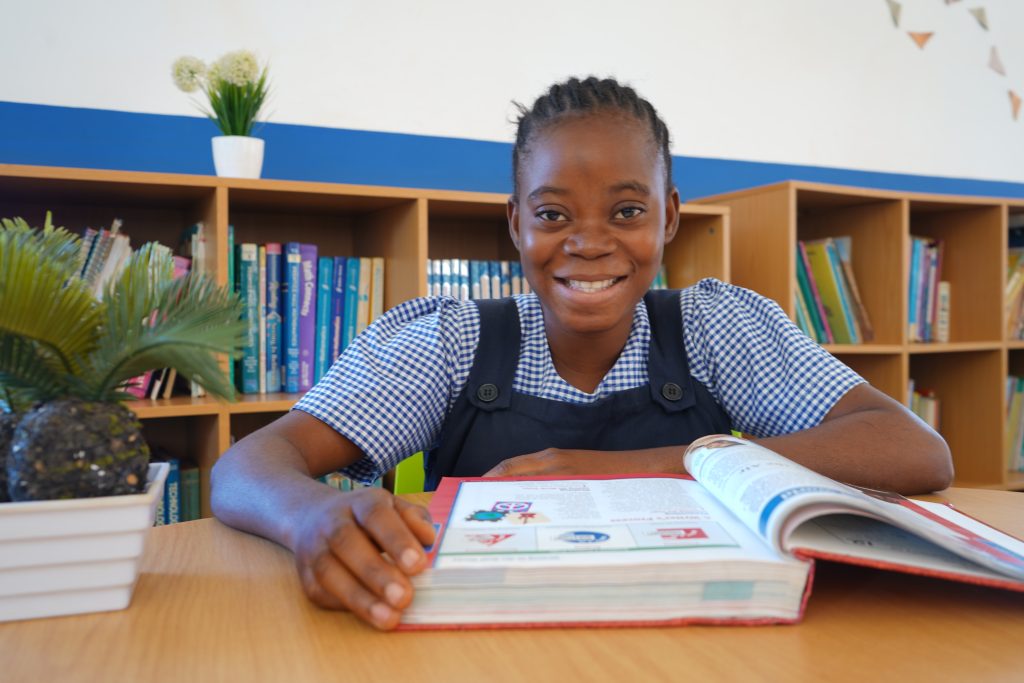
The best part of the day was receiving my diploma. I felt so proud, knowing I truly deserved it. What excited me even more was being one of the MCs during the ceremony attended by many.

I’ll miss the Zoom calls with experts accross the world and Malaika Talks, which were some of my favorite activities at the Malaika school. They inspired me, helped me overcome challenges, and pushed me to keep dreaming. Access to technology also played a huge role in my growth, allowing me to learn video editing and build my ambition of becoming a filmmaker, all thanks to the free internet provided.

Looking ahead, my dream is to become a medical doctor to improve the health of my community. I also hope to help others access the same opportunities that Malaika gave me, because with equal opportunities, we can all achieve success.”


“Kessia” Josephine Mwange

“Graduation day was truly special because it was held in our honor, and it touched me deeply to see such a ceremony just for us. I felt so happy—I danced, spoke with visitors and friends, took pictures, enjoyed the food, and appreciated the thoughtful gifts.

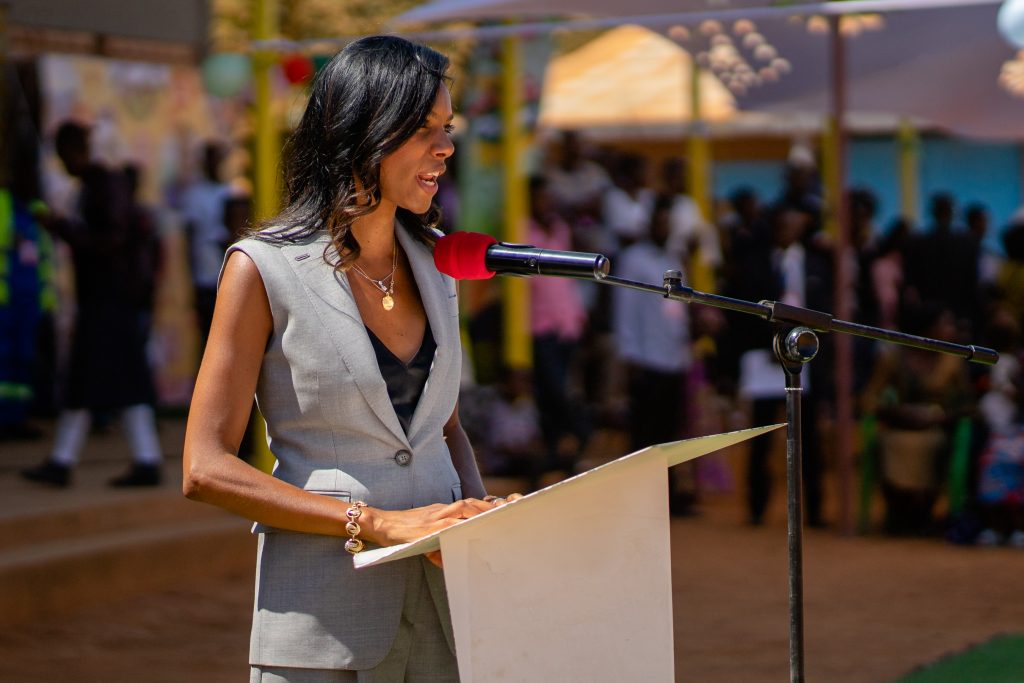
One of my favorite moments was listening to the speeches from all the guests, as well as from the first and second graduate cohorts. Their stories mirrored my own journey with Malaika, and it made me realize how wonderful my experience had been.

I’ll miss so many things about Malaika. I see it as my second family. We shared so much, like families do. I’ll especially miss coding, group study sessions with my friends after classes, and doing research in the library.

Looking ahead, my hope is for other children to study under the same or even better conditions than I did. I dream of becoming a leader who can address the needs of my community by creating robots to assist in agricultural work. This would boost productivity and help us become self-reliant rather than dependent on other countries. In short, I want to fight hunger through technology and help my community, and the world, thrive economically through agriculture.”
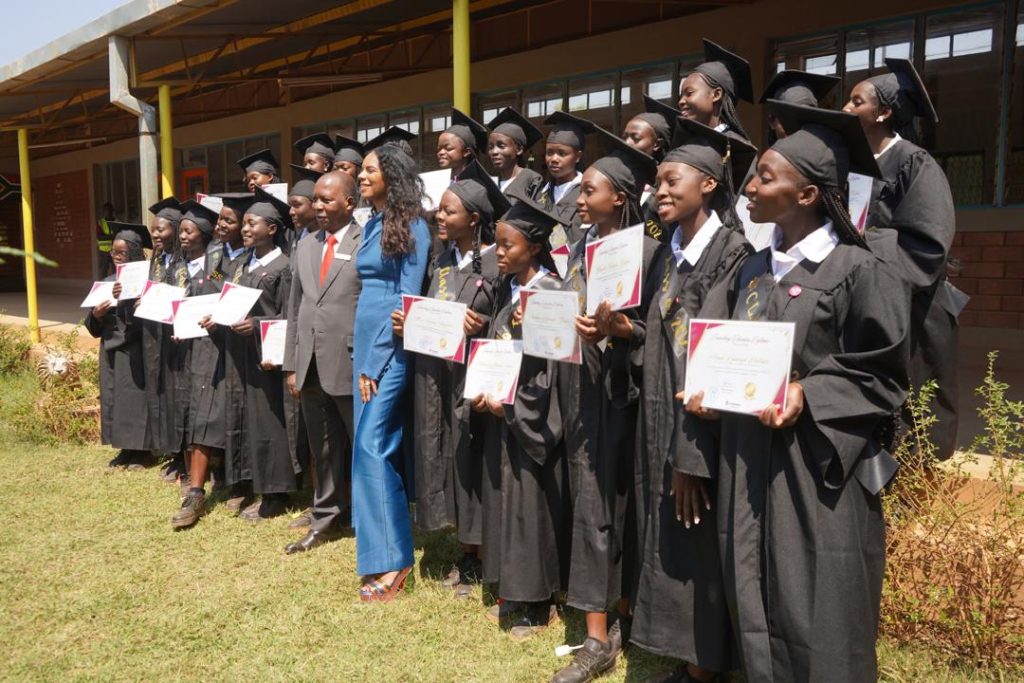
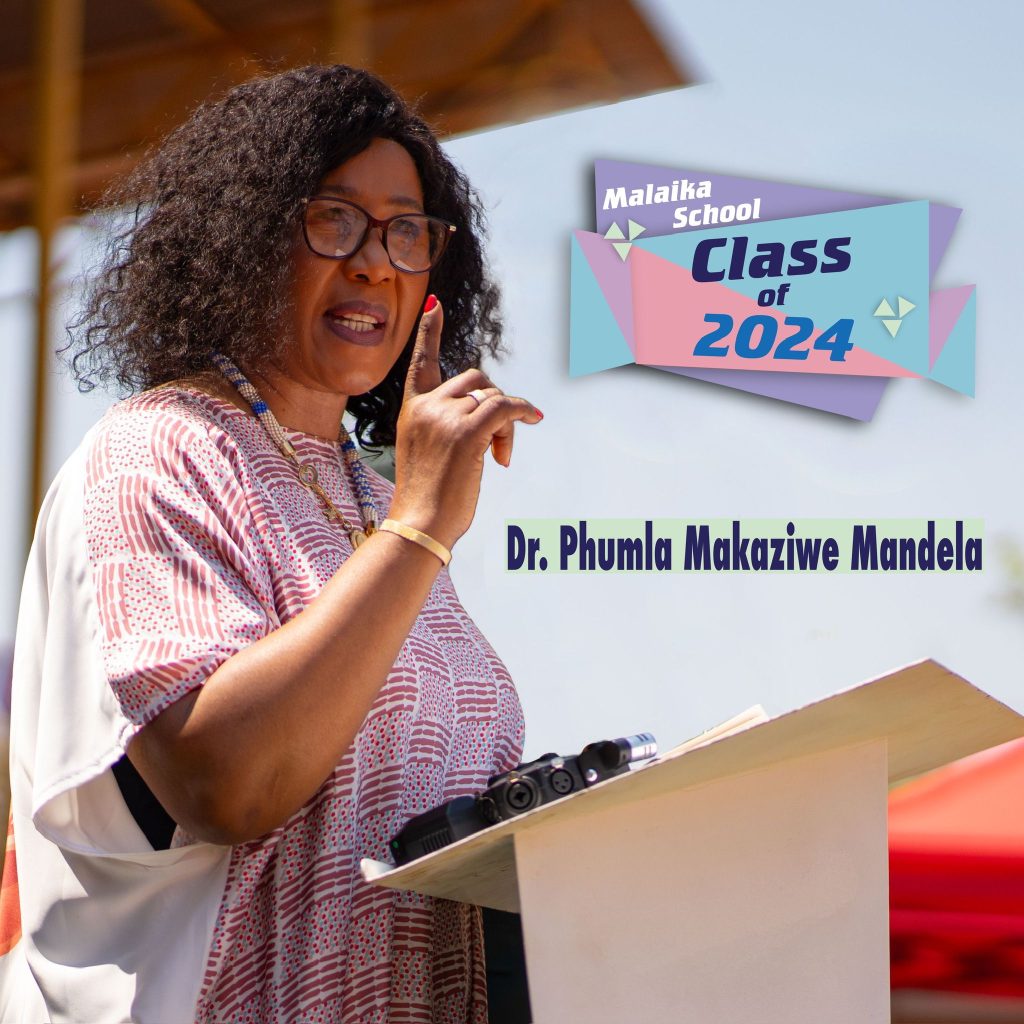
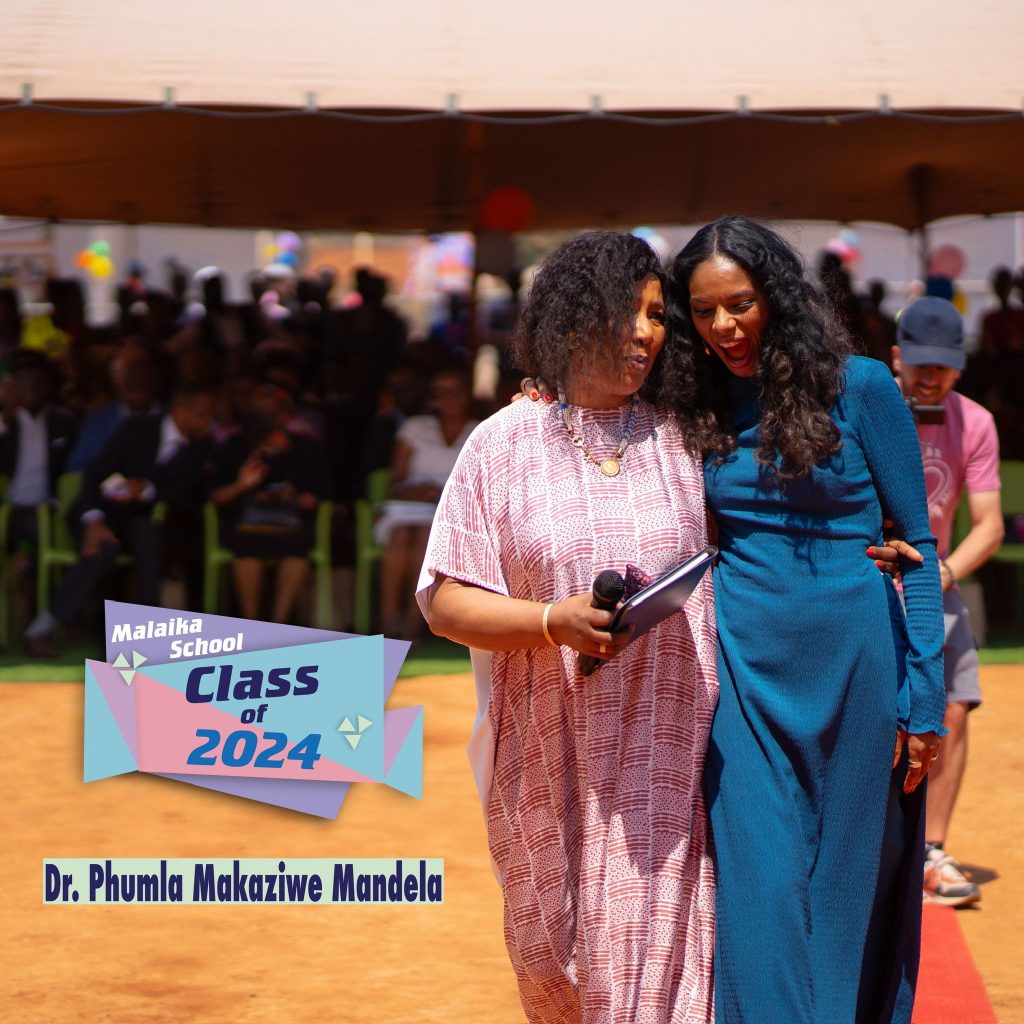
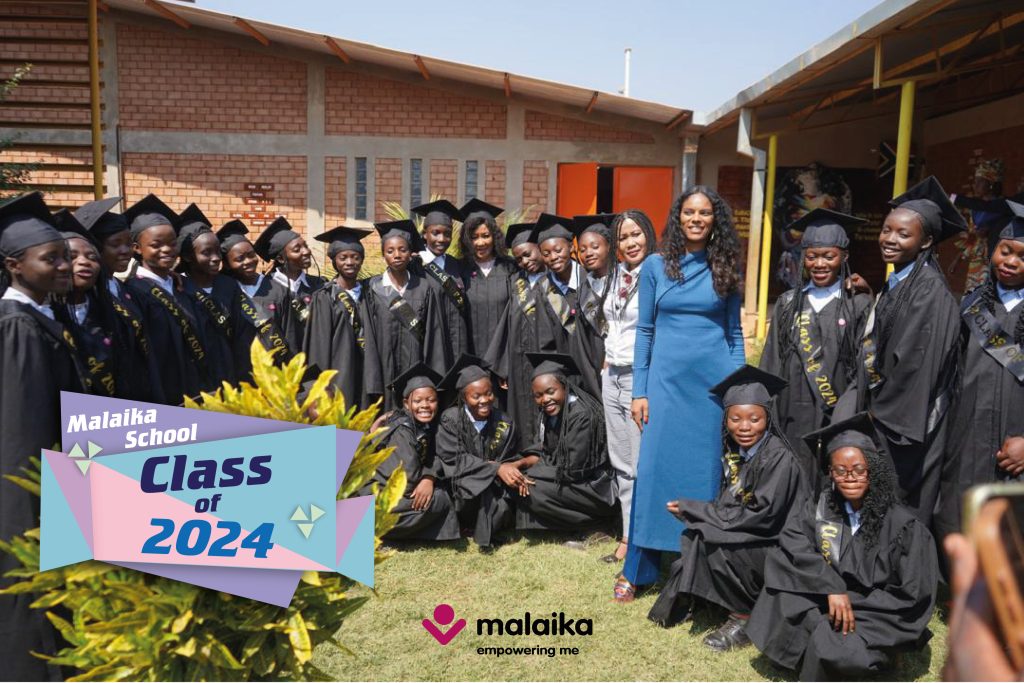
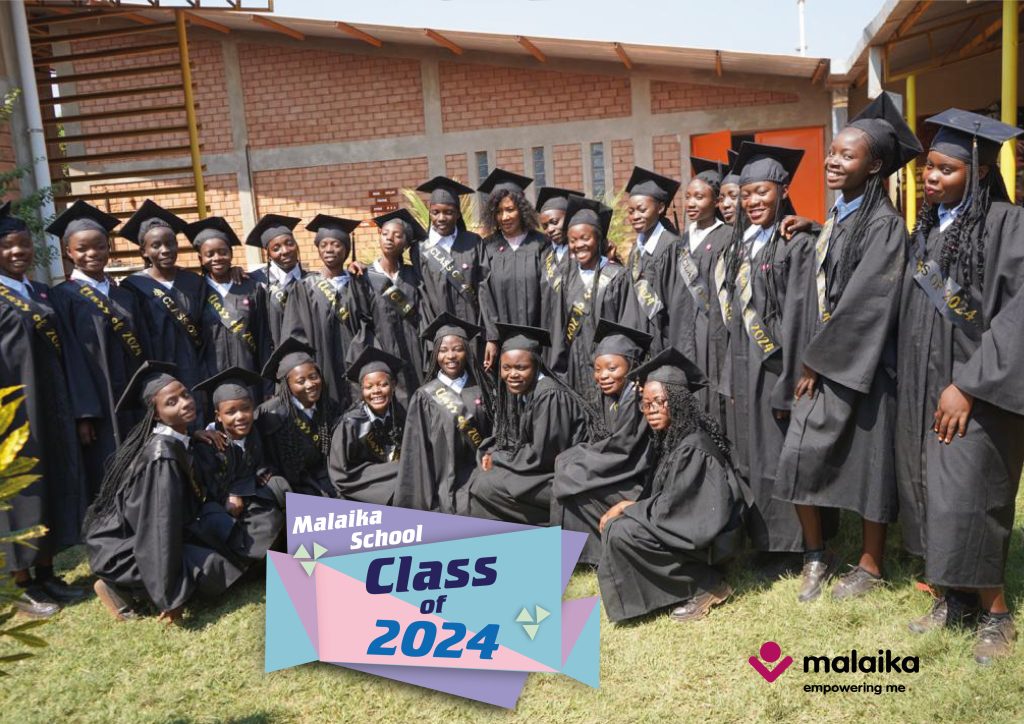
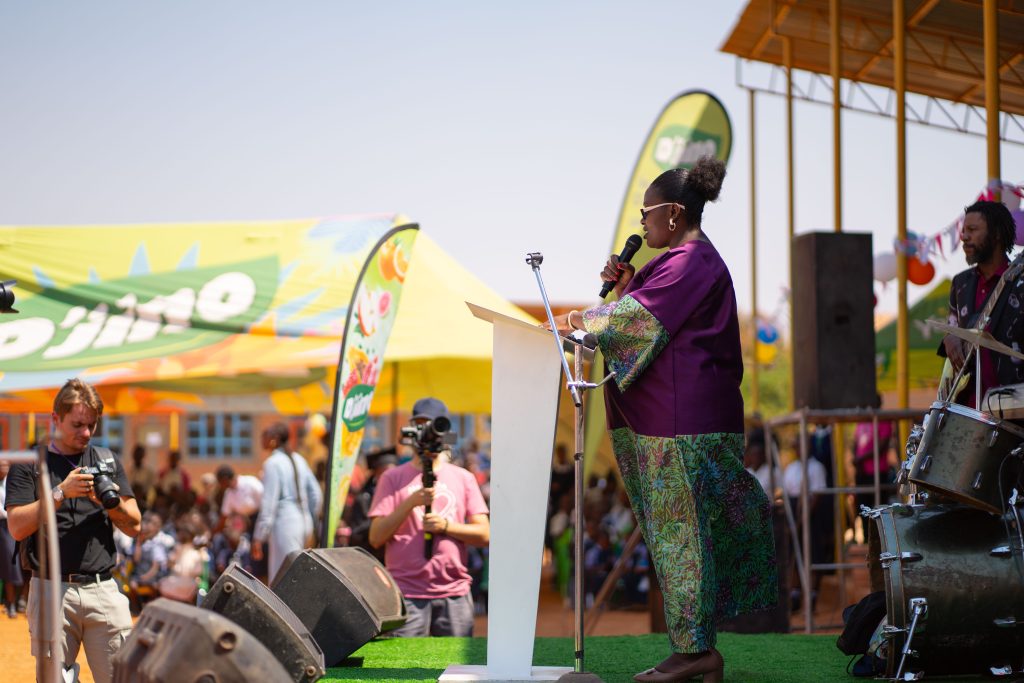
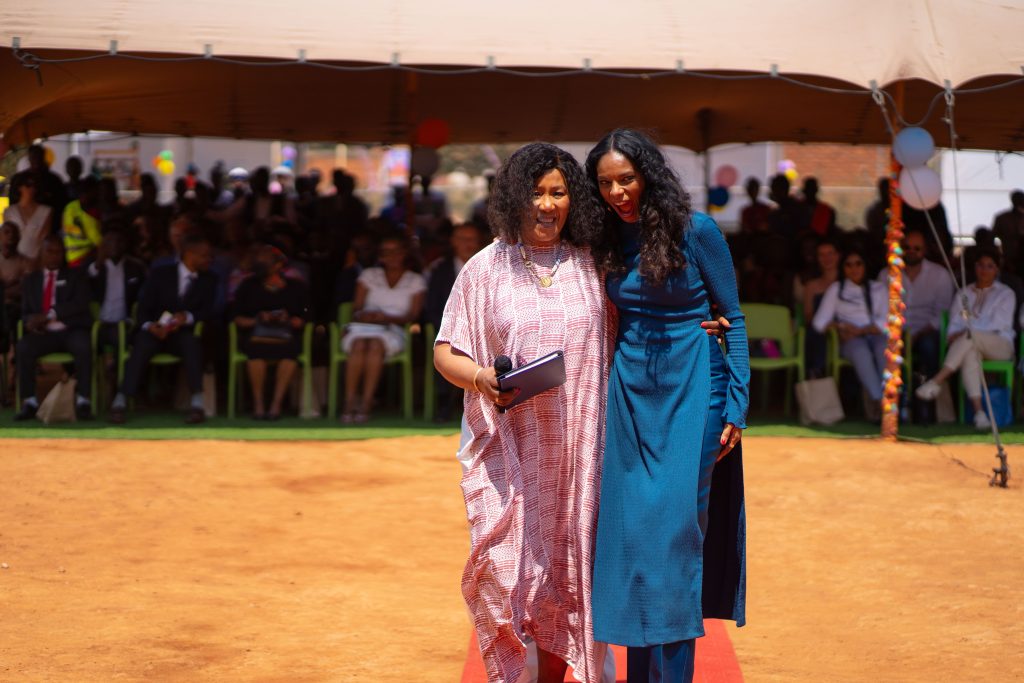
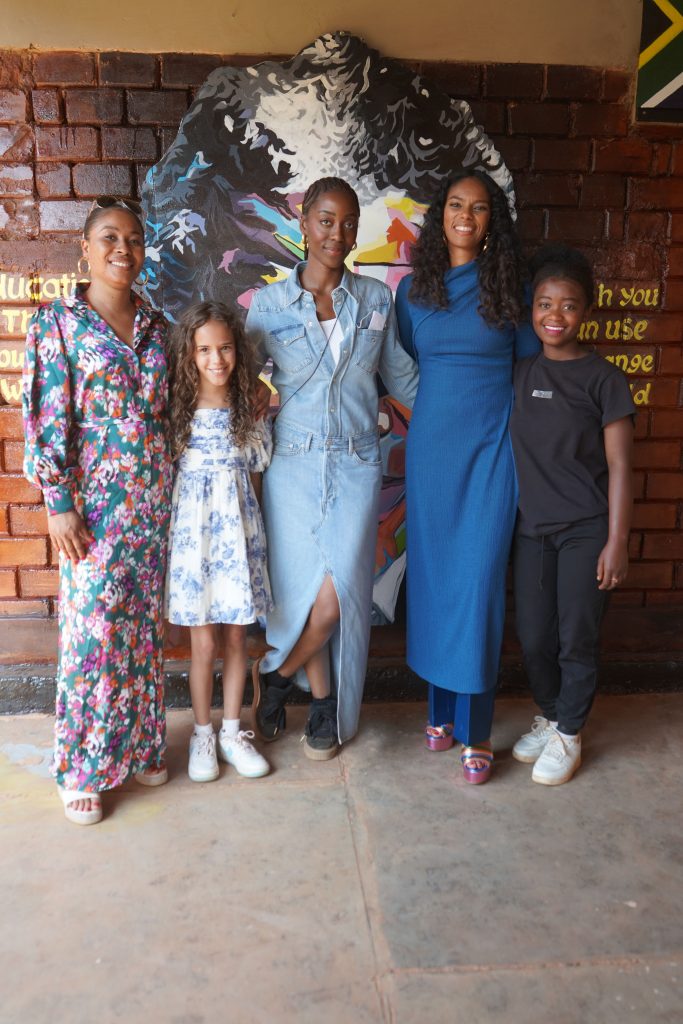
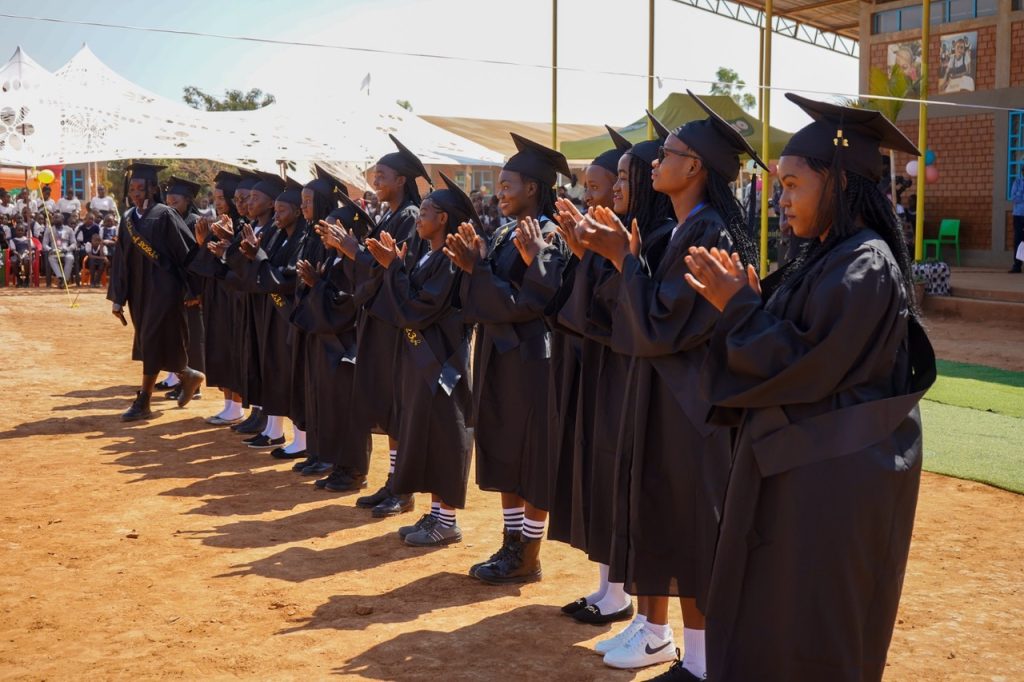
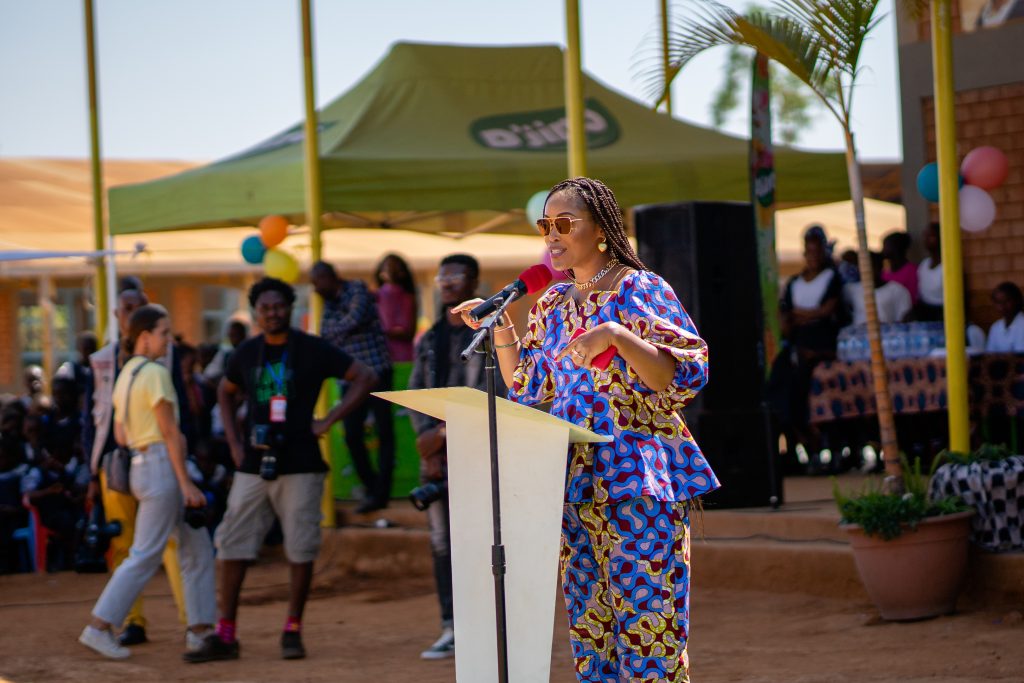
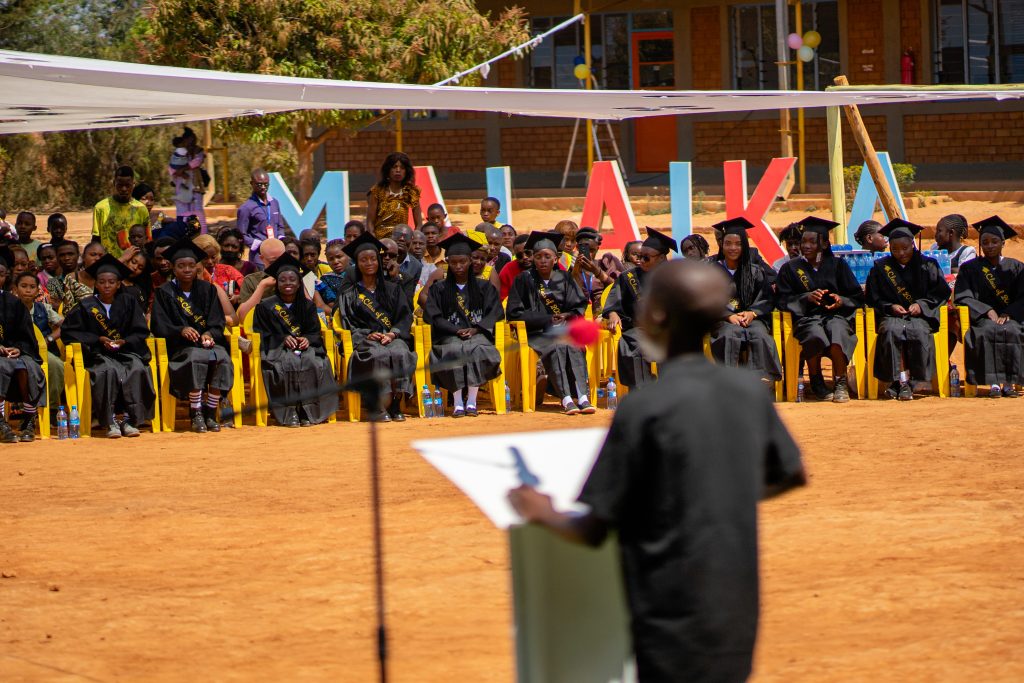
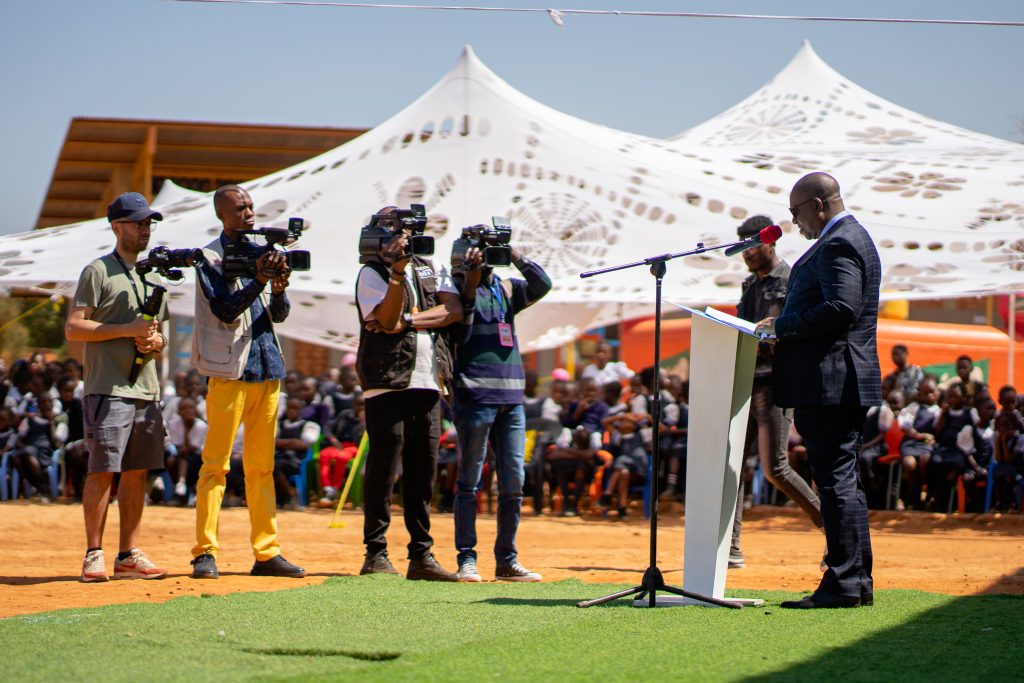
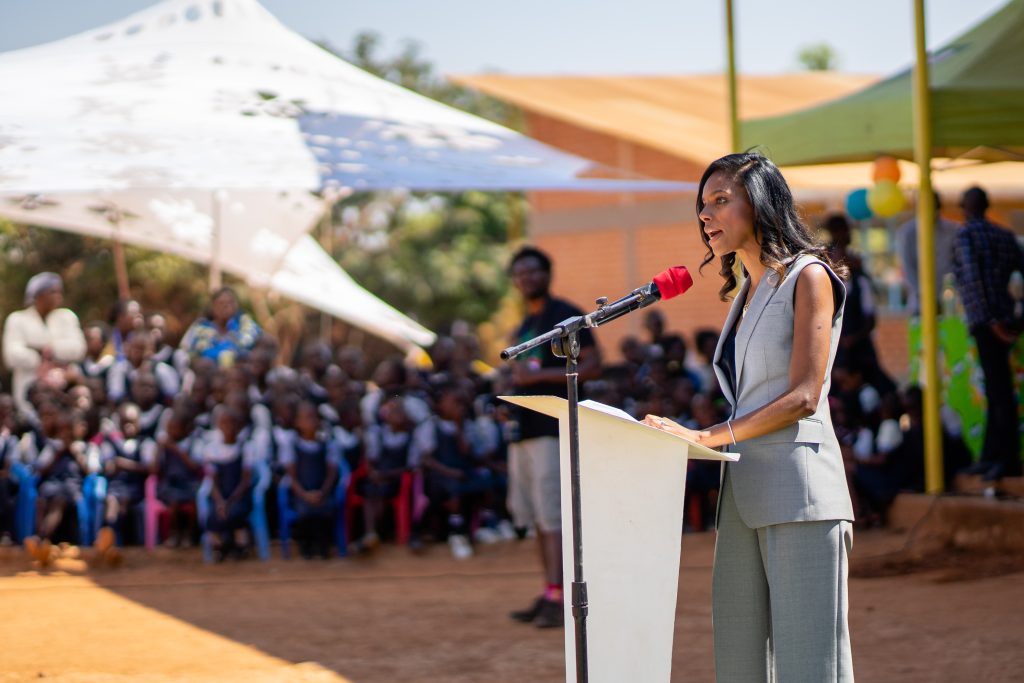
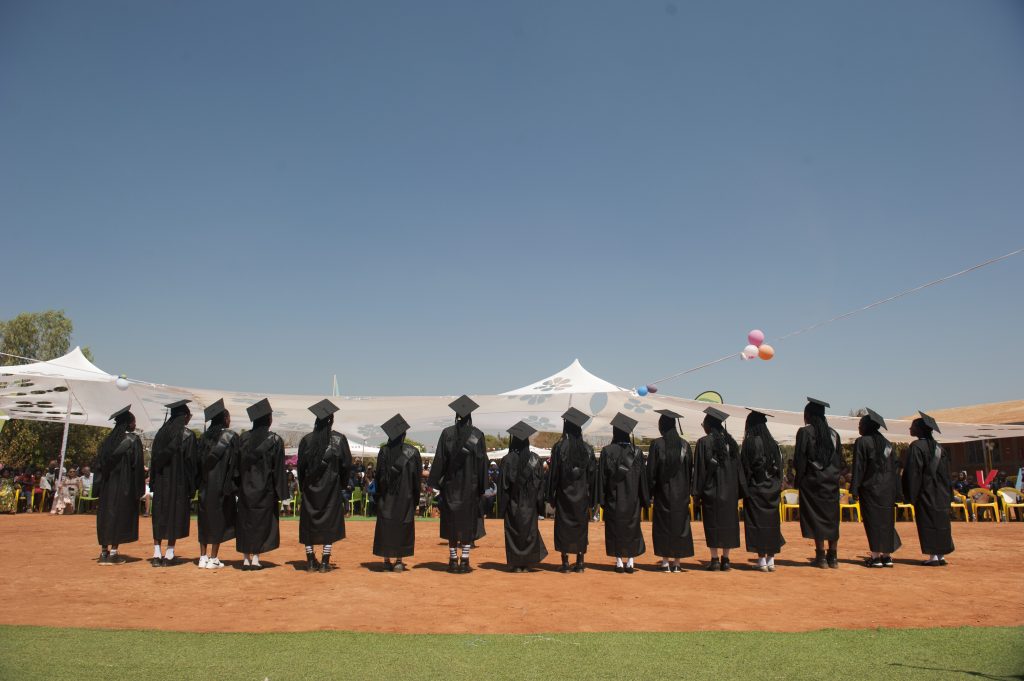
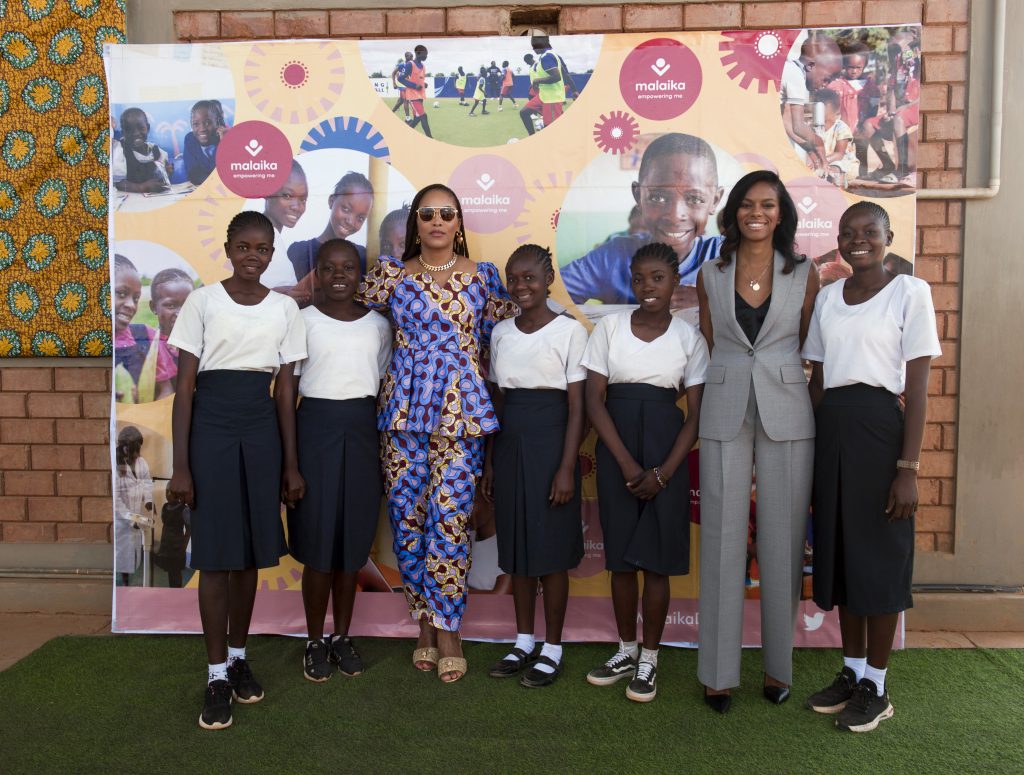
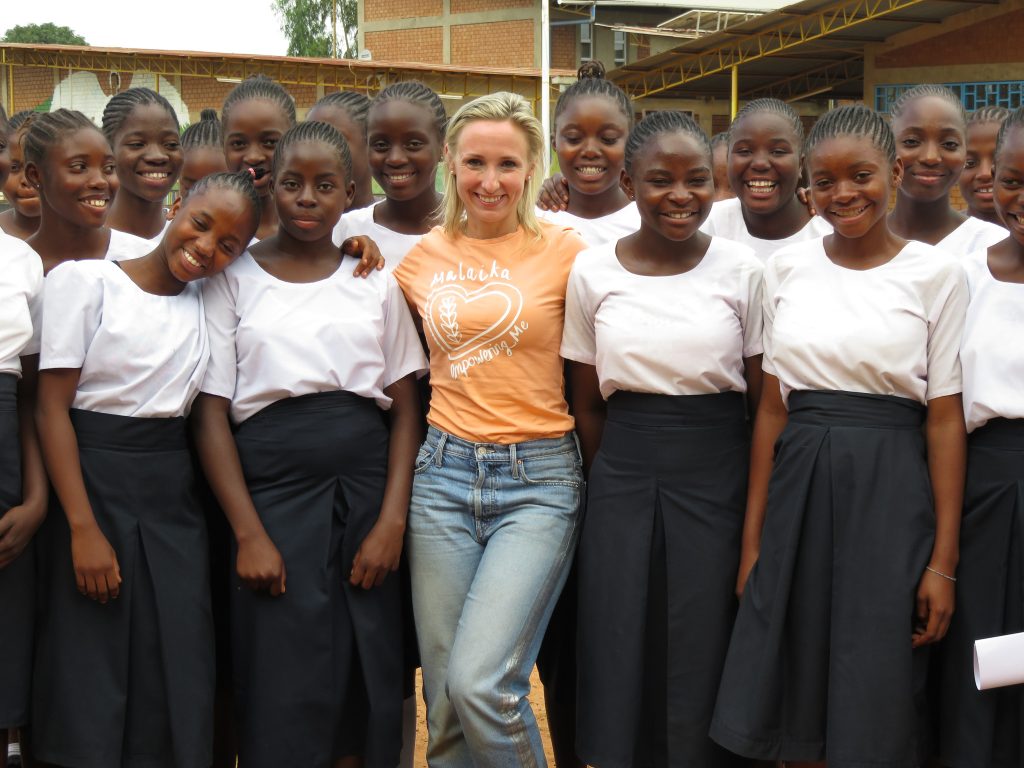
This year’s joyous ceremony built on the success of Malaika’s inaugural commemoration last summer. Together with students, staff, and special guests we celebrated the graduation of 24 girls, led by Class of ‘24 President Dr. Makaziwe Mandela and her daughter Tukwini Mandela. 

Dr. Makaziwe Mandela commented: “Malaika instills curiosity, independence, and passion within its students, and the dedication of its staff, teachers, and volunteers is unparalleled. This admirable school is doing so much more than providing an education – it’s rewriting deep-rooted narratives, changing the lives of community members, and empowering young girls of today to become our future leaders.”
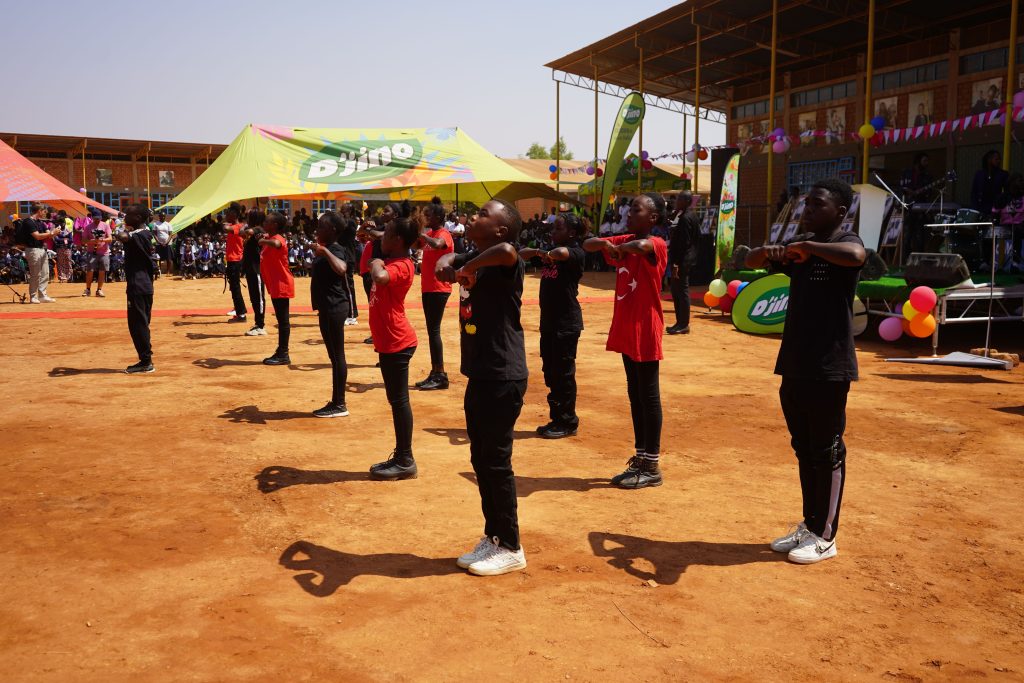
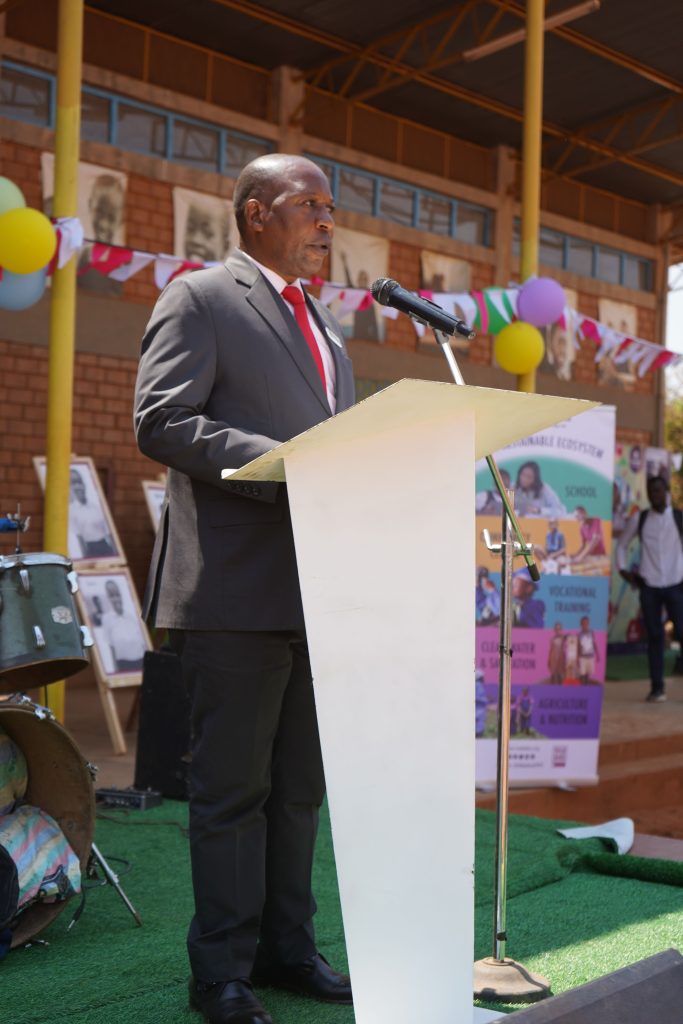
As we celebrate the International Day of Education, I find myself reflecting on the profound importance of quality education in the Democratic Republic of Congo. As Headmaster of Malaika, I am eager to share our vision for education and the unique approach we take to prepare our students for the challenges of a rapidly evolving world.

Education is not just a key to life; it is the beacon that guides a society towards modernity and development.  Recognising this truth compels us to address the pressing need for updates and reforms in our educational systems. At Malaika, we believe in a curriculum that not only imparts knowledge but is tailored to the current realities of the world, especially in the face of technological advancements.

Our commitment to impeccable education goes beyond the traditional understanding of schooling. We envision Malaika School as a place where young minds not only discover their talents but are also guided effectively to boost those talents. An up-to-date curriculum is our tool to equip learners with essential skills such as digital literacy, soft skills, leadership, and entrepreneurship from the early grades, preparing them to become agents of development and contributors to their communities in various fields.

Headmaster Sylvain Koj

I firmly believe that every individual is a unique and indispensable piece in the societal puzzle, with specific roles to play. Our education system, therefore, must recognize and celebrate these individual differences. At Malaika, we embrace the individualization of teaching strategies and methods, allowing our learners to thrive and achieve their best results by promoting their diverse talents and interests.

What sets Malaika’s curriculum apart is our unwavering commitment to continuous improvement. Our staff undergo regular training and upgrade our programs, ensuring that our curriculum remains dynamic and relevant. This commitment has allowed us to integrate innovative pedagogical practices, including individualized teaching, group work, a special focus on technology, talent detection with coaching support, participation in local and international competitions, and the incorporation of leadership and entrepreneurship concepts.

As the Headmaster of Malaika School, my hope for our students is to witness them fully embracing their roles as agents of development in the coming years. I envision them stepping into their roles as unique pieces of the societal puzzle, sources of inspiration for others, and, above all, living proof of the transformative power of education for girls.

On this International Day of Education, let us continue to champion quality education, empower young minds, and build a future where every child can contribute meaningfully to society.

July 2023 marked the graduation of Malaika’s first-ever cohort of 17 students: Amida, Audience, Chantal, Claudine, Deborah, Francoise, Frida, Horciline, Jeanette, Jeanne, Jolie, Josiane, Lauriane, Louise, Mamie, Marceline, and Pascaline. The graduation ceremony brought together Malaika students, international and local staff and volunteers, and key members of Malaika’s donor community to celebrate the achievements of these students over the past 12 years and set them off on their next chapter at university.

We welcomed hip-hop star and actress Eve, a longstanding Malaika Ambassador and President of the First Cohort of Malaika Students, who delivered a powerful speech, echoing the dreams and aspirations of each graduate as they stepped into the world with newfound confidence. We also featured a number of inspiring speeches and performances from students, supporters, and friends.

The significance of this graduation goes beyond mere academic achievement, symbolizing hope and the unwavering belief in the power of education to transform lives.

Released in September 2023, ‘Tomorrow Within Reach: Leveraging the SDGs to Transform Today’ is Malaika’s impact report outlining our contributions to the United Nations’ Sustainable Development Goals (SDGs) in the DRC. 

The 17 SDGs were adopted by the United Nations in 2015 as a universal call to action to end poverty, protect the planet, and ensure that by 2030 all people enjoy peace and prosperity. Through Malaika’s SDG localization model, we’re directly impacting a total of six SDGs, creating pathways that go beyond girls’ education and reach the entire community in which we’re operating. 

Our first impact pillar – Education – directly addresses SDG 4: Quality Education and fulfills our core mission to provide girls with a free, quality education. Our second impact pillar – Opportunity – focuses on SDG 5: Gender Equality and SDG 8: Decent Work and Economic Growth. Our third impact pillar – Dignity – activates progress towards SDG 2: Zero Hunger, SDG 3: Good Health and Wellbeing, and SDG 6: Clean Water and Sanitation. 

Read the report below to find out exactly how we’re doing this and for our key takeaways and learnings for donors, implementers, and public figures. You can also download it here.

malaika-sdg-FINAL-VERSION

Hip-hop star and actress Eve Jeffers-Cooper, a longstanding Malaika Goodwill Ambassador, was this summer named the President of the First Cohort of Malaika Students. Eve attended Malaika’s 2023 graduation ceremony, which took place in Kalebuka in July 2023, as the ceremony’s guest of honor, delivering a speech to all attendees and the class of ‘23 graduates. 

Eve was named Goodwill Ambassador in 2016 following her visit to the Malaika School with Founder & CEO Noella Coursaris Musunka to inaugurate the very first library on International Women’s Day. 

The award-winning musician and actress was the very first winner of the Grammy Award for Best Rap/Sung Collaboration in 2002 for the song “Let Me Blow Ya Mind”. In 2002 her album Scorpion was also nominated for Best Rap Album. In 1999, she released her debut album, Let There Be Eve…Ruff Ryders’ First Lady, which reached number one on the Billboard 200, making her the third female rapper to accomplish this feat. As an actress, she starred as Terri Jones in the Barbershop films, among others. 

“Coming together as one big Maliaka family this summer means so much as we celebrate the past 12 years of education for these 17 girls and set them off on their next chapter. Malaika is rewriting the narrative for girls and their families, and I couldn’t be prouder to be part of the Malaika family,” commented Eve. 

A role model for young girls, Eve plays a crucial role in advocating for Malaika’s mission and inspiring the students.

Outreach holds immense power in understanding and addressing the challenges faced by local communities in the Kalebuka area. In this blog entry, Community Center teacher Ildephonse, who has been part of our organization for over a decade, sheds light on the steps we take to connect with communities and the outcomes we hope to achieve.

Mr. Ildephonse, what exactly is outreach and why is it so important? 

To us, outreach is about actively engaging with the people in our surrounding areas, observing their challenges and uplifting their quality of life. By reaching out to rural communities, we gain valuable insights into their way of life, their perspectives, and their strategies for overcoming daily hurdles. Our approach at Malaika emphasizes the significance of establishing connections, delivering interactive teachings, assessing impact, and providing support. By prioritizing relationship-building and fostering sustainable change, we aim to contribute to a brighter future for the communities.

What does Malaika typically do during an outreach?

At Malaika, we have developed a methodical approach to ensure effective outreach efforts. Our first step involves sending a delegation to meet the village chief or community leader. This initial interaction allows us to introduce ourselves, inform the leaders about our upcoming visit, and establish a strong rapport. 

We recognize the importance of preparing the community for our arrival. Therefore, we request the chief or leader to choose a local individual who can help generate excitement and anticipation among the villagers. This liaison acts as a bridge, spreading the word about our visit and ensuring that the community is eagerly awaiting our arrival on the day of our outreach.

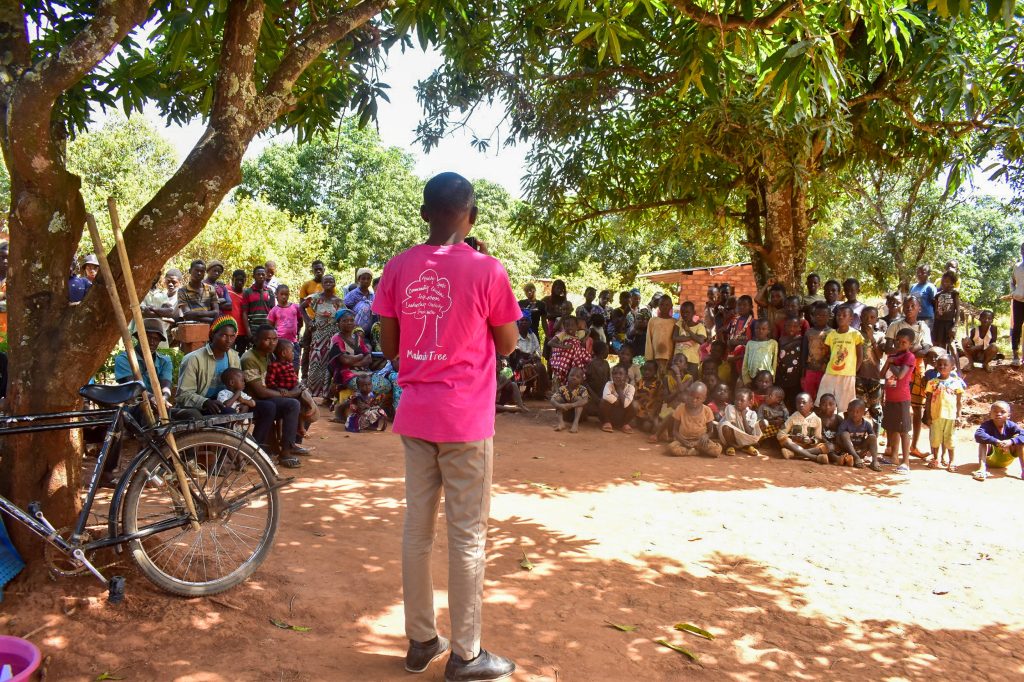
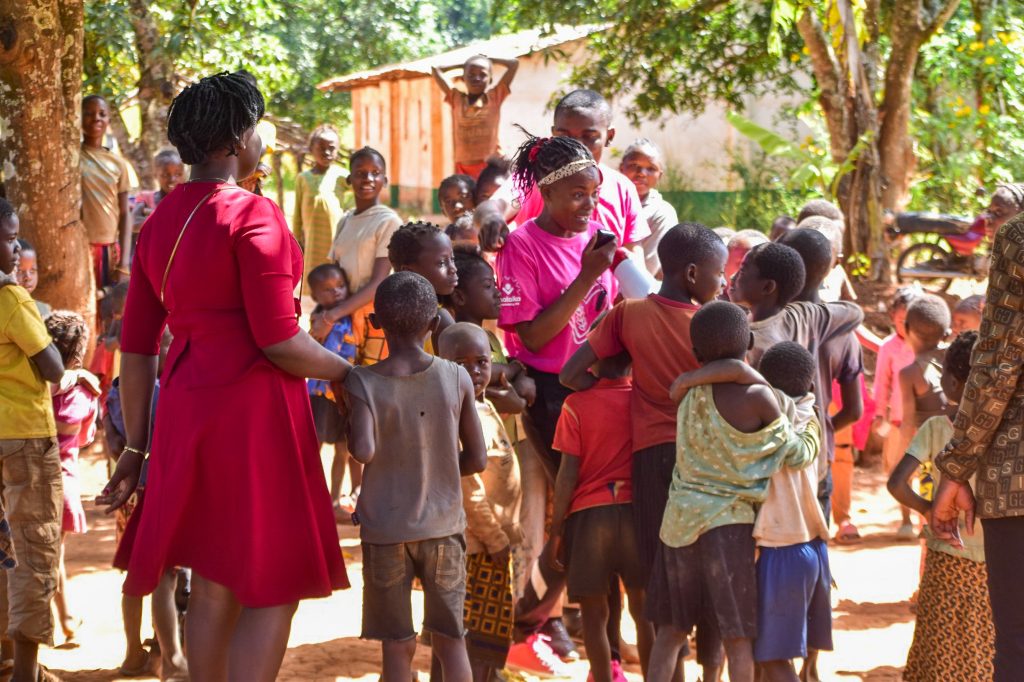
On outreach day, our team leaves our Community Center and heads to the village. After introducing ourselves and creating an upbeat atmosphere through a song or dance performance, we dive into our teaching session, using interactive games and activities tailored to the community’s specific needs. Our goal is to impart knowledge and provide practical solutions.

Following the teaching session, we conduct interviews to assess the community’s understanding and the effectiveness of our teachings. We allocate time for participants to ask questions, ensuring clarity and reinforcing the lessons learned. To demonstrate our commitment to the community, we always provide resources at the end of the event. These resources may include drinks, salt, soap, and biscuits, which we distribute among the participants. Through these tangible acts of support, we aim to show our dedication to making a positive difference in the lives of those we reach.

We have recently completed two different outreach projects visiting the villages of Kasamba and Tshilenge. What moment stood out to you? 

I was pleased to experience exceptional organization and hospitality from the Tshilenge village. The chief and community members eagerly awaited our arrival, and they even provided us with a list of their needs, demonstrating their willingness to collaborate and actively participate.

What do we hope to achieve through our outreach for communities around Kalebuka?

Through our outreach efforts, we strive to build strong relationships with surrounding communities, positively impact the lives of people in and around Kalebuka, and raise the visibility of our organization. By actively engaging with communities and addressing their needs, we aspire to create lasting change and improve the overall well-being of the individuals we serve.

Thank you, Mr. Ildephonse!

It is thanks to the support of Malaika’s determined mothers that our students can pursue their education without limitations. In this video, Françine, mother of 6th Grade student Frida, reflects on how coming to Malaika has made a positive impact to both of their lives.

I’m Frida Katongo’s mother. The first time we came with her to Malaika, we were given uniforms for free. Whe she started school, she told us that they had breakfast in the morning and lunch at noon which meant my child got to eat twice a day. We were also given soaps and body lotion. I thank Malaika for the way she started.

As Malaika is growing up, Frida is also starting to think like a grown-up. She studies French and English very well, so she has become independent. Thank you so much for giving us Malaika. We were happy in the beginning and we’re still so happy. I want Frida to study and finish her studies, find a job and also help Malaika and the whole community.

In Congo and beyond, girls often miss out on the opportunity to learn due to various cultural and societal barriers. The Kalebuka mothers have broken this cycle of inequality and shown their commitment to education by supporting their daughters in every way possible. Teacher Rebecca reflects on why Kalebuka’s mothers are the co-writers of our success story:

Why our mothers matter

Rebecca: “Mothers in our community understand the importance of education and are ready to go the extra mile to support their daughters. They help out by cleaning the school, cooking, and actively participate in community programs.

Their resilience is commendable, and they are not deterred by age, social norms or any other challenges that come their way. They know that education is the key to unlocking opportunities and changing their lives and that of their community.

The Kalebuka mothers have the potential to become powerful models for their daughters. They have joined the community center to learn literacy, sewing, catering, and entrepreneurship. Many of them have become independent and are thriving economically. They have started various income-generating activities and have transformed their lives and that of their families.”

Daniella’s Story

Their daughters’ success stories are a testament to their hard work and dedication. They always push them to complete their education and provide them with the necessary support to succeed. One such success story is that of Daniella and her mother, [name needed].

“Daniella’s mother was a housewife, and for years she has done her best to help Daniella be regular and on time at school. Daniella is a very bright student in Grade 1 in science and is engaged in many activities. Her mother joined the vocational classes in sewing and catering, which has turned her into a successful entrepreneur. She sews beautiful clothes for Daniella, the members of the community and gets paid. She is no longer reliant on her husband and has become a breadwinner for her family.”

The Kalebuka mothers’ commitment to education and their daughters’ success is remarkable. They have shown that with determination and hard work, one can overcome any obstacle and achieve their dreams. Their involvement in community programs has brought about positive change, and they have become ambassadors for education in their community.

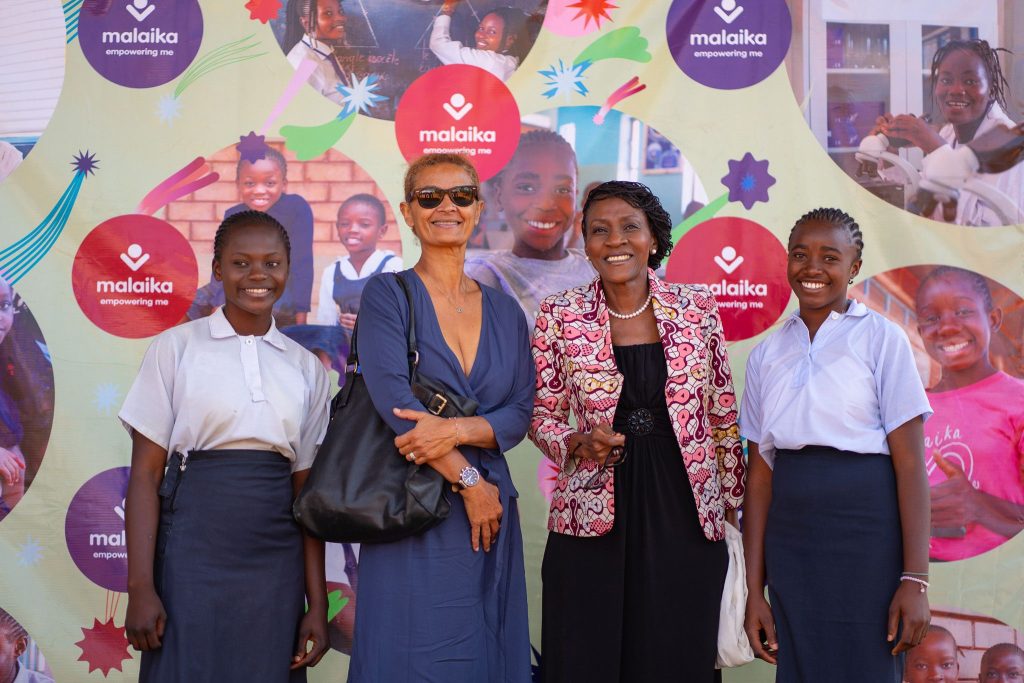
After two challenging years of Covid-19, we are delighted to welcome back volunteers from all over the world. We believe that every single person possesses a special gift that they can pass on to others, and therefore keep our doors wide open for those who want to do so! Are you interested in visiting the Malaika ecosystem to offer your time, skills and expertise, or simply curious what an average day looks like volunteering with our incredible staff? We recently invited some of our volunteers and ambassadors to share their experience.

Jonny Guardiani, Film maker and volunteer | United Kingdom

Marta Reed, Program Assistant for Malaika | United Kingdom

I first heard about Malaika about 10 years ago when a mutual friend introduced me to our Founder Noella. Both of my parents are teachers, so I immediately recognised that education is the key to a better the world and I wanted to do what I can to to help the girls. I’m also a mum of two beautiful girls, and want to see a world where all children, girls and boys, receive quality education. First, I started donating, then I started sponsoring a student, and I eventually joined the team in 2018!

Earlier this year, I finally got to travel to Kalebuka to work with my colleagues on the ground. I vividly remember the hustle and bustle of the city which you drive through first, and then driving on into a much more remote area until you suddenly arrive at the school gates. As soon as you arrive there is happiness, smiles and waving hands from everyone. To see and understand with my own eyes how remote the villages are where we build our wells, how far our students walk to come to school, and the daily challenges such as intermittent internet access and infrastructure problems will help me bring more value to the organisation.

For me, there was no one favourite moment or memory – the whole trip was an experience of a lifetime. To feel loved by everyone and welcomed was the most amazing feeling and to finally see that you are part of the grand project where you help so many people. You become a better person when you leave Malaika school.

To me, Malaika represents: Educational pioneers, big families and creators of dreams.

Elidyah Muabana, Recruiter and volunteer | Ireland

Diana Khasa, Senior Development Officer | United Kingdom

I came across Malaika on Instagram 5 years ago and impressed by the work that was happening in Kalebuka. It was inspirational to see what Noella was doing for the community in Kalebuka and I wanted to be part of it. 

It feels like yesterday but it’s been four years since I made a trip to Malaika school. I spent a month during the summer running some English and drama sessions for the girls. This was my first going back to Congo since I left, as well as my first time ever going to Lubumbashi and I felt at home. The vibrant and uplifting pictures and videos that we see of the school and community centre, it is exactly what you experience when you’re there.

Most days, we found ourselves spending extra time in the classroom or at the playground sharing our lived experiences. We also learnt the poem “phenomenal woman” by Maya Angelou and I’m sure the girls made her proud in the way they embodied confidence in reciting it. I love their self-worth and acceptance and particularly their drive to grow and opportunities they have through Malaika. 

That’s why Malaika is important. There’s an African proverb that says “if you educate a woman, you educate a nation” and Malaika is showing the world how to do it. 

To me, Malaika represents: a tangible solution and hope for achieving equity in a country where girls education is at the bottom of the agenda.